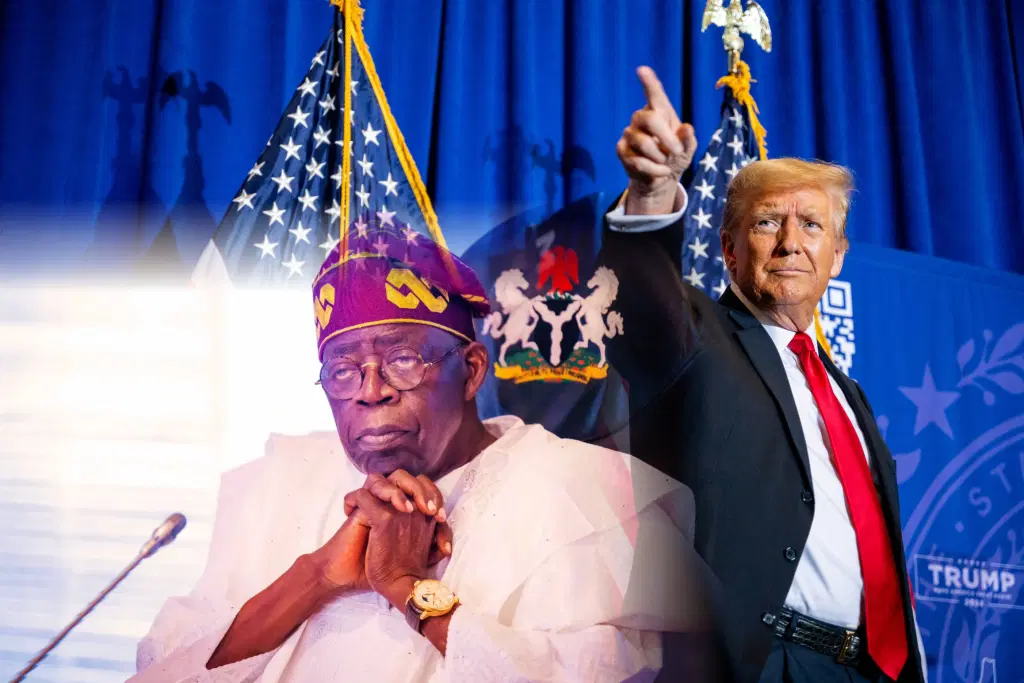
The suspension of U.S. assistance to Nigeria should serve as a moment of sober reflection for those in the corridors of power. Rather than viewing it merely as a diplomatic or financial setback, Nigeria’s leaders should see it as a stark reminder that no nation can achieve sustainable development through perpetual dependence on foreign aid.
Nigeria is richly endowed with both human and natural resources. If public resources were managed transparently, prudently, and in the best interest of the people, the country would not need to rely heavily on external assistance to meet many of its basic developmental needs.
Unfortunately, many Nigerians believe that corruption, waste, and poor governance have denied the country the progress it richly deserves. While millions struggle with hunger, unemployment, insecurity, and limited access to quality healthcare and education, public officials are often perceived as being more concerned with political survival than with improving the lives of ordinary citizens.
ALSO: Naming Public Places Won’t Solve Nigeria’s Problems By Festus Edovia
It is equally troubling that many political office holders continue to patronise foreign schools and hospitals for themselves and their families while Nigeria’s public education and healthcare systems deteriorate. A nation cannot develop when those entrusted with strengthening its institutions appear to have little confidence in them.
Recent reports of recovered assets linked to former public officials have once again raised important questions about accountability and the management of public resources. Whenever public funds are diverted from their intended purposes, ordinary Nigerians bear the cost through inadequate infrastructure, underfunded schools, poor healthcare, and widespread poverty.
The challenges confronting Nigeria are enormous, but they are not insurmountable. What is required is political will, responsible leadership, and an unwavering commitment to the public good. Leadership should be defined by service, integrity, and accountability—not by self-enrichment.
The suspension of foreign aid should therefore encourage Nigeria to look inward: to strengthen its institutions, combat corruption more effectively, invest in education, healthcare, agriculture, and infrastructure, and ensure that public funds are used for the benefit of all citizens.
Ultimately, the responsibility for building a prosperous Nigeria rests with Nigerians and, most importantly, with those entrusted with the nation’s leadership. Foreign aid can support development, but it can never substitute for good governance. The time has come for Nigeria to reduce its dependence on external assistance and embrace accountability, transparency, and visionary leadership.
Only then can the nation truly fulfil its immense potential.