Mathesis Analytics CEO has urged banks to use alternative data to expand credit access in Nigeria.
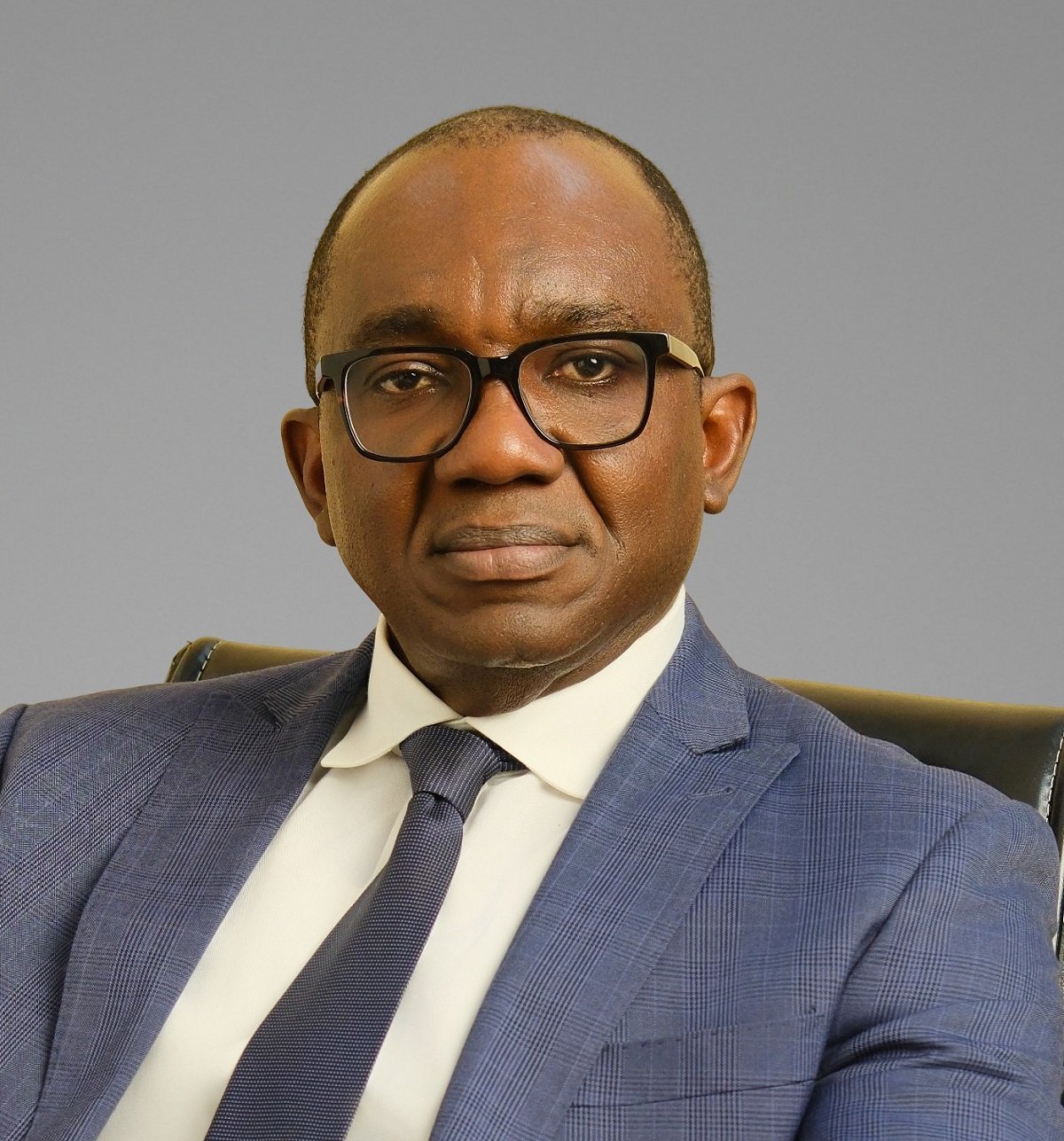
NewsOnline Nigeria reports that the Founder and Chief Executive Officer of Mathesis Analytics, Winston Osuchukwu, has called on Nigerian financial institutions to rethink traditional credit assessment models, arguing that the widespread classification of many Nigerians as “high-risk” borrowers is often based on incomplete financial information rather than actual repayment behaviour.
Speaking on the future of credit decisioning in Nigeria, Osuchukwu said the country’s lending ecosystem could significantly expand access to finance by incorporating alternative data and artificial intelligence (AI) into credit risk assessments.
ALSO: Tony Elumelu to Retire as UBA Chairman After 12 Years, Emmanuel Nnorom Named Successor
According to him, the assumption that the average Nigerian borrower is inherently high-risk has become deeply embedded in lending decisions, influencing how retail loans are priced and approved.
He noted, however, that the label is frequently applied to entire categories of borrowers including informal traders, gig economy workers and remote employees earning through fintech platforms without adequately reflecting their actual financial behaviour.
“High-risk does not mean no credit. It simply requires that lenders embrace alternative datasets to price the risk appropriately,” Osuchukwu said.
He explained that conventional lending models were developed around collateral, formal documentation and traditional banking records, making them suitable for an era when financial data was limited.
While acknowledging that these frameworks were appropriate given the available tools at the time, he argued that they now leave significant blind spots by excluding creditworthy individuals whose financial activities occur outside the conventional banking system.
Osuchukwu cited the example of market traders and small business owners who consistently transact through mobile money platforms but remain invisible to traditional underwriting systems despite demonstrating stable financial behaviour over several years.
According to him, advances in AI now make it possible for lenders to analyse such alternative financial data, producing a more comprehensive picture of borrowers’ repayment capacity.
He said this approach does not replace institutional credit judgment but enhances it by allowing lenders to make more informed decisions based on broader datasets.
“The ‘high-risk’ label applied broadly to entire categories of borrowers was never a true measure of risk. It reflected the limitations of the available data,” he said.
Osuchukwu further argued that Nigerian banks possess sufficient liquidity to support greater lending, but their ability to expand credit has been constrained by challenges in assessing borrowers outside traditional financial records.
He said adopting AI-powered credit decisioning could enable banks to responsibly grow their loan portfolios while extending financing to underserved individuals and businesses that have historically been excluded from formal credit markets.
According to him, improved visibility into borrowers’ financial behaviour would strengthen both the banking sector and the wider economy by directing capital to productive segments previously overlooked.
Osuchukwu added that Mathesis Analytics is developing AI-driven credit decisioning solutions that consolidate multiple data sources to provide lenders with more reliable and defensible risk assessments.
He maintained that Nigeria’s credit gap is less about a shortage of creditworthy borrowers than about the inability of traditional systems to accurately identify them.
By translating financial activity outside conventional banking channels into bank-grade credit insights, he said, lenders can make more inclusive and data-driven lending decisions while maintaining prudent risk management.