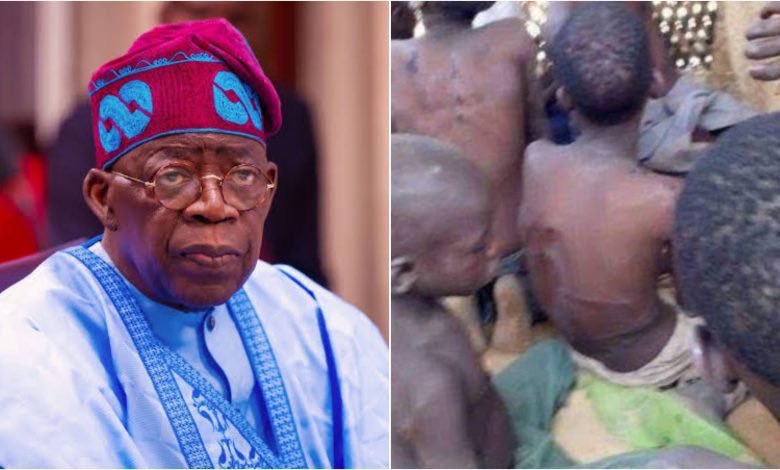
For millions of Nigerians, daily life has become an exhausting struggle for survival. Across the country, families grapple with rising food prices, unemployment, inadequate healthcare, and growing insecurity. Yet, amid these hardships, many citizens watch with frustration as members of the political elite continue to enjoy privileges far removed from the realities faced by ordinary people.
It is a painful contradiction. While many Nigerians struggle to afford basic necessities, public officials and influential figures often have access to opportunities unavailable to the average citizen. Their children attend some of the best schools at home and abroad, and they seek medical treatment in foreign hospitals while public healthcare facilities continue to face significant challenges.
ALSO: Executive Power to Loot, But No Will to End Poverty, Insecurity, and Unemployment – Festus Edovia
The widening gap between the privileged and the poor raises serious questions about governance, accountability, and national priorities. A government exists primarily to improve the welfare of its people, protect lives and property, and create conditions for economic growth and social development. When millions remain trapped in poverty despite the nation’s vast resources, it becomes necessary to examine whether public institutions are effectively serving their intended purpose.
For decades, Nigerians have been promised economic prosperity, job creation, improved infrastructure, and better living standards. Yet many communities continue to face worsening conditions. Unemployment remains a major challenge, inflation continues to erode household incomes, and countless young people struggle to find meaningful opportunities.
The situation is made even more difficult by insecurity in several parts of the country. Farmers in affected communities often face threats from criminal groups, limiting agricultural production and contributing to food shortages and rising prices. As food becomes more expensive, the burden falls most heavily on low-income families who are already struggling to survive.
Nigeria’s challenges are not the result of a lack of potential. The country is richly blessed with natural resources, a youthful population, entrepreneurial talent, and significant economic opportunities. The real challenge lies in ensuring that these resources are managed efficiently, transparently, and in ways that benefit the wider population.
Concerns about corruption, wasteful spending, and weak accountability have persisted for years. Resources that should support healthcare, education, infrastructure, security, and social development must be managed with greater transparency and responsibility if meaningful progress is to be achieved.
This is not merely an economic issue; it is a question of leadership and public trust. Citizens expect those entrusted with public office to act in the national interest and prioritize policies that improve the lives of the people they serve.
The responsibility for change does not rest solely with government officials. Citizens also have a vital role to play in strengthening democracy through civic engagement, peaceful participation in the political process, and demanding accountability from elected leaders. Sustainable development is more likely when institutions are strong, leaders are accountable, and citizens remain actively involved in shaping the future of their country.
A nation cannot achieve lasting prosperity when large segments of its population are left behind. The true measure of national progress is not the wealth of a privileged few but the quality of life enjoyed by ordinary citizens.
Nigeria’s future depends on building a society where opportunity is accessible, public resources are used responsibly, and leadership is guided by service, integrity, and a commitment to the common good. Only then can the country begin to fulfill its enormous potential and deliver the prosperity its people deserve.
Written by Festus Edovia, ANIPR, FICM