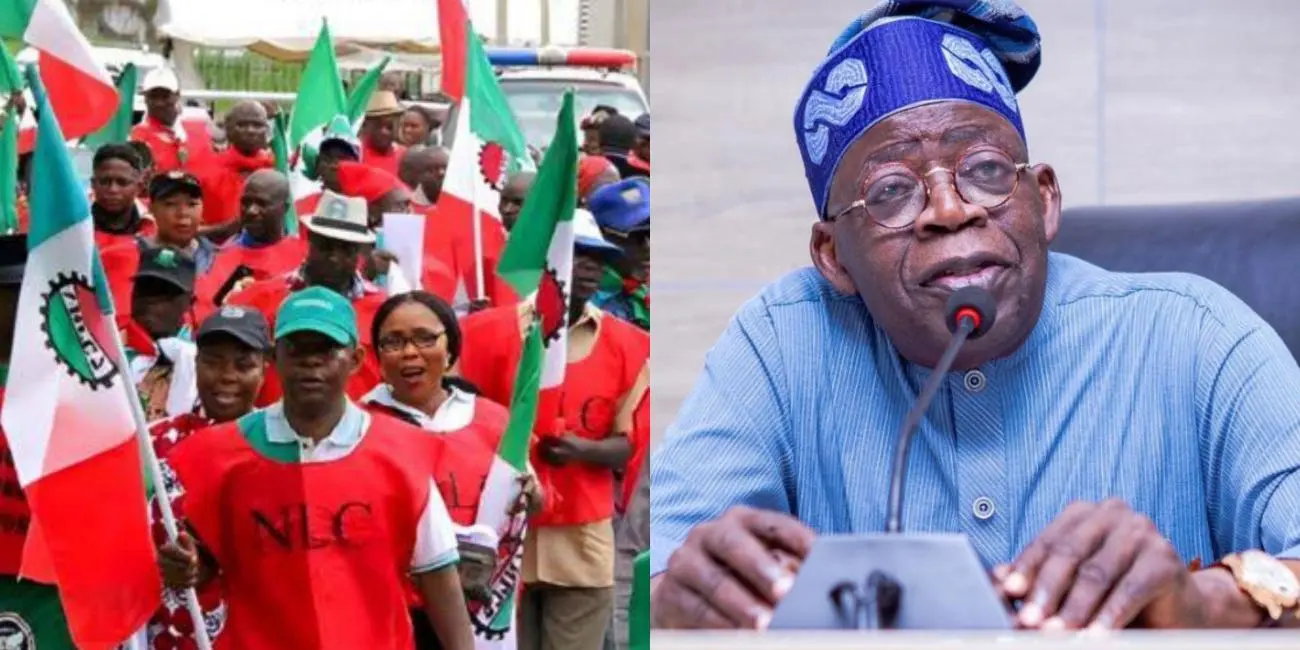
Nigeria Labour Congress has demanded N1 million new minimum wage.
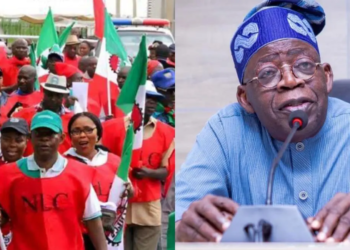
NewsOnline Nigeria reports that the Nigeria Labour Congress (NLC) has said Nigerian workers should earn a minimum wage of N1 million monthly, arguing that the N100,000 proposal reportedly being considered by state governors is far below what is required to survive current economic realities.
NLC spokesperson, Benson Upah, made the position known while reacting to comments by the Chairman of the Nigeria Governors’ Forum and Governor of Kwara State, AbdulRahman AbdulRazaq, who disclosed that governors were considering a new national minimum wage of N100,000.
AbdulRazaq had explained that the proposal was informed by rising inflation, increasing living costs, and the growing financial pressure on Nigerian workers. He noted that discussions were ongoing between state governments, the Federal Government, and organised labour to develop a wage structure that balances workers’ welfare with fiscal sustainability.
ALSO: FG Places Lagos, FCT, Enugu, 7 Other States on High Ebola Alert Over Deadly New Outbreak
However, Upah maintained that while the governors’ willingness to review wages was commendable, the proposed N100,000 falls short of workers’ actual needs.
“We consider it thoughtful of the Kwara State governor to propose this, but certainly, N100,000 falls far below the realistic figure,” he said.
According to him, persistent inflation, the depreciation of the naira, higher electricity tariffs, rising fuel prices, declining purchasing power, and the impact of recent tax measures have significantly increased the cost of living for Nigerians.
“Given the realities around the exchange rate, inflation, raised tariffs, the surge in the pump price of petrol and associated costs, the decline in the purchasing power of the average worker, and the effects of the new tax regime on our cost of living, the realistic figure, subject to status quo maintenance, would be N1 million,” Upah stated.
The labour leader also argued that improved government revenues should make better worker remuneration possible.
He pointed to allocations from the Federation Account Allocation Committee (FAAC) and recent revenue gains linked to global oil market developments as evidence that governments have greater fiscal capacity to support workers.
Upah further stressed that the workforce remains the most valuable asset of any nation and deserves adequate compensation to drive productivity and economic growth.
The debate over a new minimum wage comes amid mounting economic challenges following the removal of fuel subsidies and the floating of the naira.
Although the Federal Government approved a N70,000 national minimum wage in July 2024 after negotiations with organised labour, unions have repeatedly argued that inflation and rising living costs have significantly eroded its value.
With food prices, transportation costs, electricity tariffs, and other living expenses continuing to rise, labour groups have intensified calls for another wage review to reflect prevailing economic conditions.
The Nigeria Governors’ Forum has yet to formally submit any new minimum wage proposal to the Federal Government or organised labour.