In today’s Nigeria, politics is increasingly viewed not as a platform for service, but as one of the fastest routes to wealth, influence, and power. For many desperate for quick success and financial comfort, political office now appears more attractive than entrepreneurship, innovation, or years of honest labour. This growing mindset poses a serious danger to the nation’s future.
Politics was meant to be about leadership, sacrifice, accountability, and improving the lives of citizens. Unfortunately, for many political actors, it has gradually transformed into a money-making enterprise where public office is treated as an investment expected to yield massive personal returns.
The desperation surrounding elections today reflects this troubling reality. During party primaries and general elections, politicians spend enormous sums of money to secure tickets and political positions. In some cases, aspirants reportedly borrow heavily from financial institutions to fund their ambitions, believing that once power is secured, repayment becomes easy through access to state resources and influence.
ALSO: “Men, Why the Silence?” JTAH Foundation Sets Agenda on Masculinity, Vulnerability, Relationship Breakdown
Ironically, many small business owners, innovators, and young entrepreneurs who genuinely need financial support often struggle to access loans and investment opportunities. Yet political actors appear to enjoy easier access to funding because politics is widely seen as a gateway to wealth and influence.
This dangerous culture fuels corruption from the very beginning. When politicians spend excessively or go into heavy debt to win elections, governance can easily become secondary to recovering financial investments. Public service then shifts from responsibility to profit-making, while the welfare of citizens suffers in the process.
Nigeria cannot continue to normalize a system where politics becomes more rewarding than productivity, enterprise, and hard work. A society where political office is viewed as the quickest path to luxury and wealth risks discouraging innovation, professionalism, and genuine economic growth.
Meanwhile, millions of ordinary Nigerians continue to battle unemployment, insecurity, poor infrastructure, inflation, and economic hardship. Many citizens feel abandoned by leaders who appear more focused on political survival and personal comfort than on addressing the daily struggles of the people.
The long-term danger is that young people may begin to believe that political connections matter more than talent, education, or integrity. Such a mindset weakens national values and damages public trust in leadership and institutions.
Despite the challenges, there are still hardworking and honest Nigerians building legitimate businesses, creating opportunities, and contributing positively to the economy. These individuals deserve support and an environment where integrity, innovation, and enterprise are rewarded above corruption and political influence.
Nigeria must return to the true meaning of leadership. Public office should never become a shortcut to personal enrichment. Citizens must continue demanding accountability, transparency, and governance driven by service rather than greed.
National resources belong to the people and must be used to improve lives, strengthen institutions, create jobs, and develop the country not to fund luxury lifestyles or political empires.
The nation deserves leaders who see politics as service, not as a business venture. Until that culture changes, meaningful development may remain difficult to achieve.
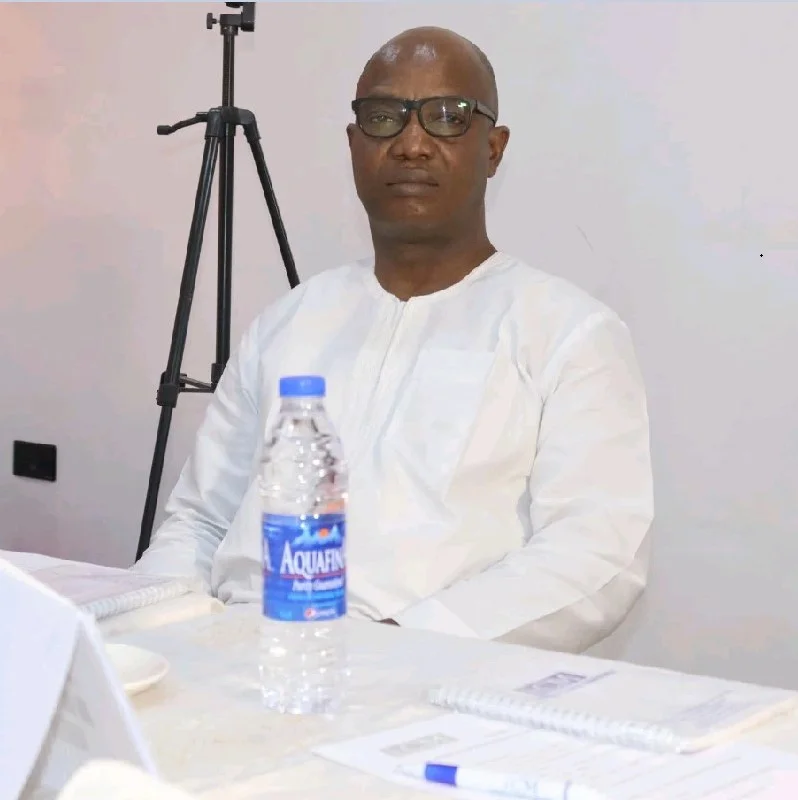
Written by Festus Edovia, ANIPR, FICM.