It is deeply troubling that many Nigerian politicians no longer appear driven by service, accountability, or genuine concern for the people. Instead, politics is increasingly seen as a ruthless struggle for power, influence, and access to public resources. What should be a platform for national development has gradually become a battlefield for personal ambition and political survival.
Across the country, many citizens believe that leadership is no longer determined by competence, vision, or integrity, but by political manipulation, money, and the influence of powerful individuals. The political space has become heavily commercialised, while ordinary Nigerians continue to battle poverty, unemployment, insecurity, inflation, and poor infrastructure.
The painful reality is that many political actors seem disconnected from the suffering of the masses. Rather than focusing on governance and development, energy is often spent on political calculations, power retention, and internal battles for control. Meanwhile, millions of Nigerians struggle daily to survive in harsh economic conditions.
ALSO: Politics as Big Business: The Dangerous Decline of Public Service in Nigeria By Festus Edovia
This growing frustration has weakened public trust in the democratic process. Many citizens now question whether their voices truly matter in elections or party decisions.
When Internal Democracy Disappears
One of the biggest concerns in Nigeria’s political system today is the alleged lack of internal democracy within political parties. In many cases, what should be transparent primary elections are accused of being carefully controlled processes where candidates are imposed on party members.
For many Nigerians, party primaries have become symbolic exercises rather than genuine democratic contests. Aspirants with strong grassroots support are often sidelined, while preferred candidates allegedly emerge through political influence, financial power, or godfatherism.
This perception continues to damage confidence in democracy. Citizens increasingly fear that elections are no longer about the will of the people, but about the interests of a few powerful political figures.
The consequence is dangerous. When people believe their votes do not count, public participation weakens, political apathy grows, and frustration deepens. Democracy cannot thrive where citizens feel excluded from the decision-making process.
The Cost of Politics Without Accountability
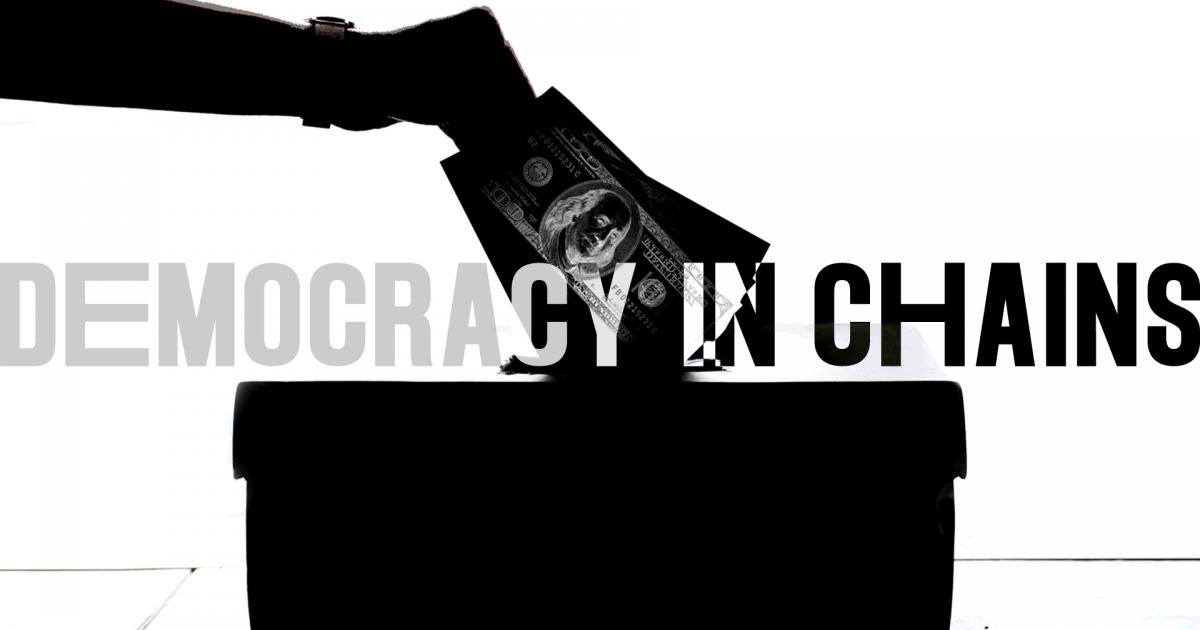
Nigeria’s political challenges did not emerge overnight. Years of corruption, weak institutions, greed, and lack of accountability have contributed to the current situation. Politics has become highly monetised, with many desperate to gain access to public office for personal benefit rather than public service.
The danger of this system is clear. When power becomes more important than competence, national development suffers. Public resources that should improve healthcare, education, infrastructure, security, and economic growth are often overshadowed by political interests.
At the same time, many citizens remain trapped in hardship, making them vulnerable to manipulation during elections. Poverty has become a tool that weakens resistance and reduces the ability of the masses to demand accountability from leaders.
Nigeria Still Has Hope
Despite the disappointment many Nigerians feel, hope should not be completely lost. Nigeria is not lacking in intelligent, honest, and patriotic citizens who genuinely want to see the country succeed. Across different sectors, there are people with integrity, competence, and the willingness to serve selflessly.
The challenge is that too many good people remain distant from active political participation, leaving the political space dominated by selfish interests. If credible Nigerians continue to stay away from leadership and governance, the cycle of poor leadership may continue.
Citizens must continue to demand transparency, accountability, and fairness within political parties and the broader democratic system. Elections including party primaries must reflect the true will of the people, not the interests of a privileged few.
Nigeria’s future cannot be built on political imposition, manipulation, and endless power struggles. The country needs leaders who see power as a responsibility to serve, not as an opportunity for personal enrichment.
Democracy only works when the people’s voice truly matters. Until that principle is protected, Nigeria’s democratic journey will continue to face serious challenges.
Written by Festus Edovia, anipr, ficm.