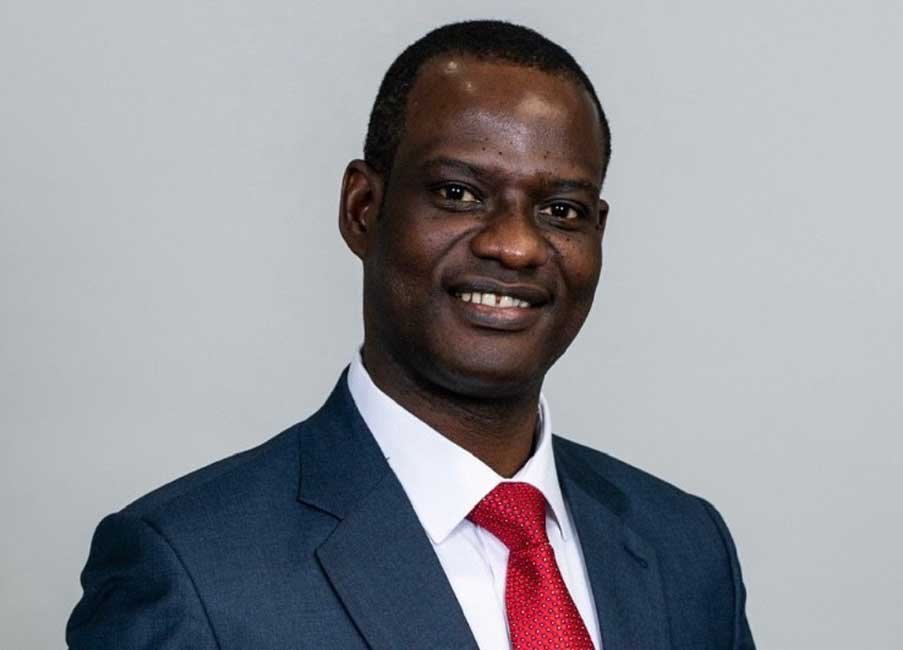
FG has debunked ‘hidden spending’ claims while stating that World Bank Report was misinterpreted.
NewsOnline Nigeria reports that the Federal Government has dismissed claims circulating in some quarters that a large share of Nigeria’s federation revenue is being diverted or classified as “hidden spending,” describing such interpretations as inaccurate and misleading.
In a statement issued on Sunday, the Minister of State for Finance, Taiwo Oyedele, clarified that the assertions stem from a misreading of the latest Nigeria Development Update by the World Bank.
According to Oyedele, reports suggesting that funds are missing or wasted misrepresent how Nigeria’s fiscal system operates, particularly regarding deductions made by the Federation Account Allocation Committee (FAAC).
ALSO: Uche Nnaji Seeks Out-of-Court Settlement in Certificate Forgery Suit Against UNN
He explained that these deductions are legitimate and include statutory transfers, savings and investments, security-related expenditures, cost-of-collection charges, refunds to Ministries, Departments and Agencies (MDAs), as well as transfers and interventions benefiting state and local governments.
“The misreporting incorrectly characterises FAAC deductions as waste or missing funds. This is not correct,” Oyedele stated, emphasizing that such allocations are part of established fiscal processes.
The clarification follows concerns raised by former presidential candidate Peter Obi, who recently cited the same World Bank report to allege significant revenue leakage. Obi claimed that out of approximately ₦84 trillion generated over three years, about 41 percent, roughly ₦34.44 trillion was not remitted to the Federation Account.
He argued that the figure surpasses the combined ₦34 trillion allocated for capital projects in the 2024 and 2025 budgets, describing it as evidence of systemic financial leakage.
However, Oyedele rejected this interpretation, insisting that the figures referenced do not represent missing funds but rather legitimate fiscal flows, including repayments and statutory allocations across different tiers of government.
The minister also accused some media outlets of selectively using outdated data while ignoring recent reforms highlighted in the World Bank report. He noted that new measures introduced in early 2026, such as an executive order to improve petroleum revenue remittances are already addressing transparency concerns and are expected to boost distributable revenue by about 0.4 percent of GDP annually.
Oyedele further pointed to positive macroeconomic indicators outlined in the report, including broader economic growth, easing inflation, stronger external reserves, a current account surplus, and an improvement in Nigeria’s debt-to-GDP ratio, the first decline in over a decade.
“These developments reflect the outcomes of ongoing macroeconomic policies and public financial management reforms,” he said.
Reaffirming the commitment of President Bola Tinubu’s administration, the minister stressed continued efforts to enhance fiscal transparency, improve revenue mobilisation, and ensure efficient public spending.
He urged media organisations and stakeholders to present fiscal data responsibly, warning that distorted interpretations could undermine public confidence and hinder ongoing reform efforts.