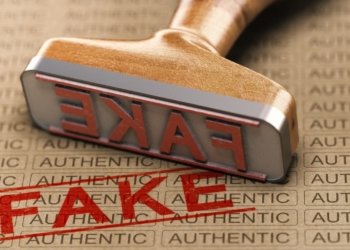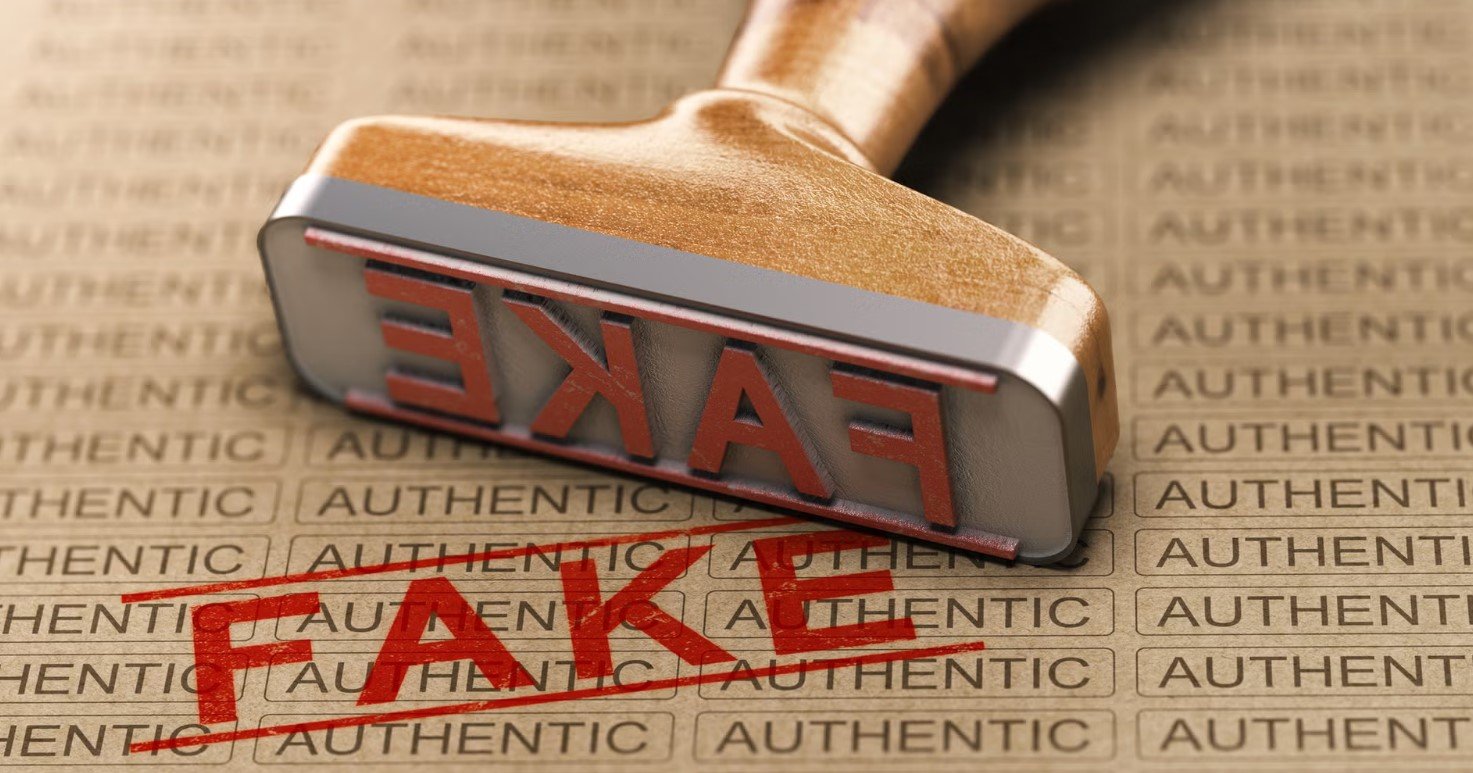
It is no longer news that Nigeria is battling the dangerous spread of counterfeit and substandard products. From medicines and food to alcoholic beverages, cosmetics, body creams and soaps, fake products continue to find their way into the Nigerian market, putting millions of consumers at risk.
People of all ages are exposed to products whose safety, quality and authenticity cannot always be guaranteed. In the desperate pursuit of quick wealth, some unscrupulous individuals have turned the manufacture, importation and distribution of counterfeit goods into a lucrative business, apparently with little regard for the devastating consequences.
The situation is particularly alarming in the food and beverage sector. Fake and adulterated alcoholic and non-alcoholic drinks can pose serious health risks to consumers. In some cases, exposure to dangerous substances can result in severe illness, permanent health complications and, potentially, death.
ALSO: FG Reveals 7 Costly Mistakes That Could Stop Nigerians from Getting Public Service Jobs
The pharmaceutical sector faces an equally disturbing challenge. Counterfeit and substandard medicines can turn treatment into tragedy. A patient who purchases medicine expecting relief may instead be exposed to products that are ineffective, contaminated or potentially harmful.
It is difficult to imagine a more dangerous form of criminal profiteering than making money from products that people consume in the belief that they are safe.
The problem is not limited to food and medicines. Cosmetics and personal-care products are also vulnerable to counterfeiting and adulteration. Consumers may unknowingly purchase creams, soaps and other products containing harmful substances, potentially exposing themselves to serious skin conditions and other health complications.
This raises a fundamental question: How did we get to a point where Nigerians have to be excessively suspicious of products sold in their own country?
The Federal Government established the National Agency for Food and Drug Administration and Control (NAFDAC) to regulate and control the manufacture, importation, exportation, distribution, advertisement, sale and use of food, drugs, cosmetics and other regulated products. The agency therefore has a critical responsibility to protect Nigerians from unsafe, counterfeit and substandard products.
However, the continued presence of such products in the market suggests that more needs to be done.
Regulatory agencies must be adequately funded, properly staffed, technologically equipped and empowered to carry out effective surveillance and enforcement. The relevant authorities must also strengthen collaboration across borders and among agencies responsible for customs, law enforcement, public health and consumer protection.
Where allegations of corruption, compromise or negligence arise, they should be properly investigated and, where established, appropriate sanctions should follow. The fight against counterfeit products cannot succeed if regulatory systems are weakened by corruption or institutional compromise.
This is, in the truest sense, a business of death.
Those who knowingly manufacture and distribute dangerous counterfeit products for profit are gambling with human lives. Their victims are not mere statistics. They are fathers, mothers, children, workers, students and entire families whose lives can be permanently altered by products they innocently consume or use.
But consumers also have a role to play.
Nigerians must become more vigilant about the products they purchase and consume. Consumers should check packaging, expiry dates, registration details and other relevant product information where applicable. Suspicious or potentially counterfeit products should be reported promptly to the appropriate authorities instead of being ignored.
Consumers should also be cautious about products being sold at unusually low prices. While a cheap product is not necessarily fake, an unusually large price difference can be a reason to verify its source and authenticity before purchase.
But the greater responsibility rests with the government and regulatory authorities.
Nigeria needs stronger enforcement, better market surveillance, improved tracking systems, tougher and proportionate sanctions for proven offenders, and a regulatory framework that places public safety above political influence or financial interests.
The authorities must also go beyond arresting street-level sellers. Where counterfeit operations are discovered, investigations should seek to identify the manufacturers, financiers, importers, distributors and networks behind them.
A serious counterfeit business cannot be dismantled by merely removing its products from the shelves.
As the saying goes, a stitch in time saves nine.
Nigeria cannot afford to wait until more people fall seriously ill or more lives are lost before decisive action is taken. The counterfeit products menace must be confronted with the urgency it deserves.
Profit must never become more valuable than human life.
Nigeria must wake up. The fight against fake and dangerous products is not merely a regulatory battle; it is a battle to protect the health, safety and lives of Nigerians.