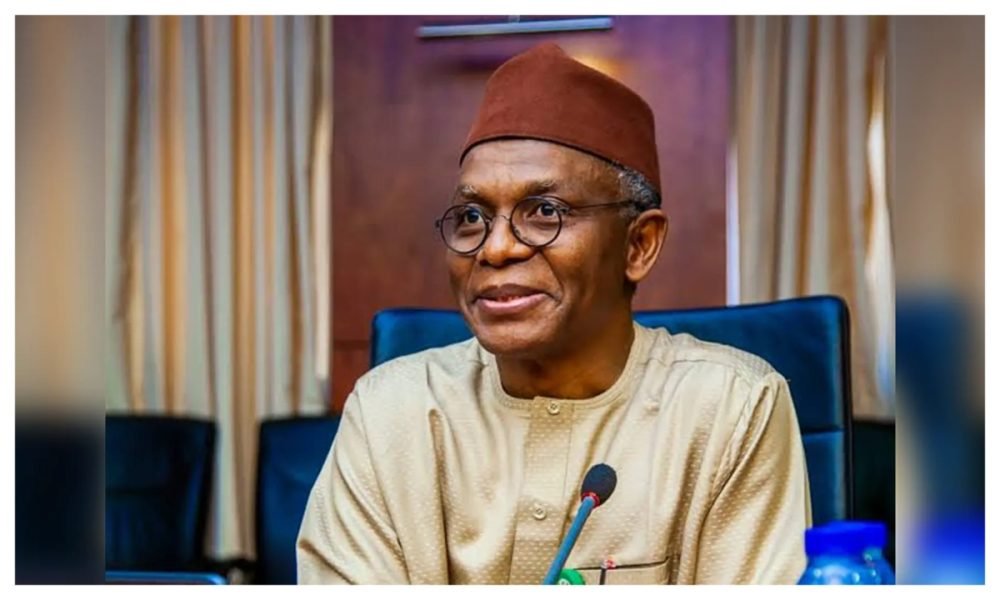
Former Kaduna State Governor, Nasir El-Rufai, has denied allegations that he intercepted the telephone conversations of the National Security Adviser (NSA), Mallam Nuhu Ribadu, insisting that his earlier comments suggesting otherwise were merely political rhetoric.
El-Rufai made the clarification on Wednesday while opening his defence before Justice Joyce Abdulmalik of the Federal High Court in Abuja in his ongoing trial over alleged unlawful interception of the NSA’s telephone communications.
The former governor, led in evidence by his counsel, Paul Erokoro, SAN, told the court that he had never intercepted Ribadu’s telephone conversations or instructed anyone to carry out such an act on his behalf.
He further maintained that he had never owned equipment capable of intercepting telephone calls and lacked the technical expertise required to conduct telephone surveillance.
El-Rufai Explains Controversial Arise TV Interview
Addressing statements he made during a February interview on Arise Television, El-Rufai told the court that his choice of words had been misunderstood.
According to him, his use of the word “we” referred broadly to opposition politicians and was not an admission that he or his associates had illegally accessed the NSA’s communications.
ALSO: Tension in Edo as Suspected Thugs Open Fire on Peter Obi’s Supporters, One Reportedly Shot
“I used ‘we’ to refer to opposition politicians,” El-Rufai explained.
“When I said ‘tapped’, it was an embellishment intended to make the government feel the pain we are feeling.
“It was rhetorical and exaggerated. My objective was to engage in political retort and linguistic flourish,” he told the court.
The former governor also denied having access to Ribadu’s communication networks, telephone devices or any infrastructure that could facilitate the interception of private conversations.
Court Earlier Dismissed El-Rufai’s No-Case Submission
According to the News Agency of Nigeria (NAN), the Federal High Court had, on October 26, dismissed a no-case submission filed by El-Rufai after the Department of State Services (DSS) concluded its presentation of evidence.
Delivering the ruling, Justice Abdulmalik held that the prosecution had presented sufficient evidence to require the former governor to enter his defence.
The judge subsequently ordered El-Rufai, who is the sole defendant in the case, to respond to the allegations.
The DSS had earlier closed its case after calling two witnesses to testify in support of the charge.
Following the court’s ruling, El-Rufai proceeded to open his defence, maintaining that his televised remarks did not constitute an admission of unlawful telephone interception.
El-Rufai Maintains Innocence as Trial Continues
The former governor’s testimony represents a key development in the proceedings, particularly regarding the interpretation of his comments during the February television interview.
While the prosecution’s case concerns alleged unlawful interception of the National Security Adviser’s communications, El-Rufai insists that his remarks were exaggerated political expressions rather than statements of fact.
The case remains before the Federal High Court in Abuja, with the former governor contesting the allegations against him.
The dismissal of his no-case submission does not amount to a conviction, and El-Rufai remains presumed innocent unless proven guilty by the court.
More details later.