Let’s stop pretending: what Nigeria practices today hardly reflects the true essence of democracy. Instead, it increasingly appears to be a system carefully structured to keep a privileged political class in control while ordinary citizens are left with little more than promises and survival.
Democracy is meant to be government of the people, by the people, and for the people. Yet, what many Nigerians experience is governance dominated by a few individuals who have mastered the politics of power retention, influence, and self-preservation.
Across key institutions; the executive, the legislature, and even the judiciary accountability often appears weak, while the principle of checks and balances continues to lose public trust. Rather than acting independently in the interest of citizens, these institutions are frequently perceived as serving political and elite interests.
ALSO: JAMB Ordeal: What Candidates Endure Before Writing Their Exams By Festus Edovia
What confronts Nigerians daily is not just poor leadership, but a troubling culture of greed, political arrogance, and an unending struggle for control. Policies that should improve lives are too often viewed as tools for consolidating power, rewarding loyalty, and weakening dissenting voices.
The painful truth is that many citizens no longer feel represented by the democratic system. To them, democracy has gradually become less about service and more about political survival for the powerful few.
Until governance truly becomes people-centred; where leaders are accountable, institutions are independent, and citizens’ welfare takes priority, Nigeria’s democracy risks remaining what many already believe it is: an illusion loudly celebrated, but painfully disconnected from the realities of the people.
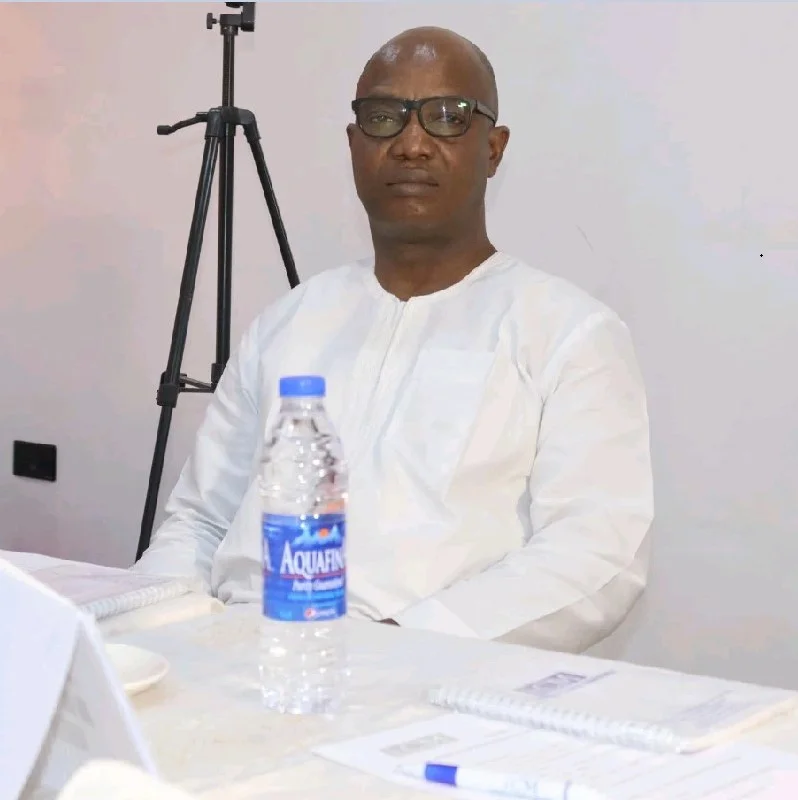
By Festus Edovia, ANIPR, FICM