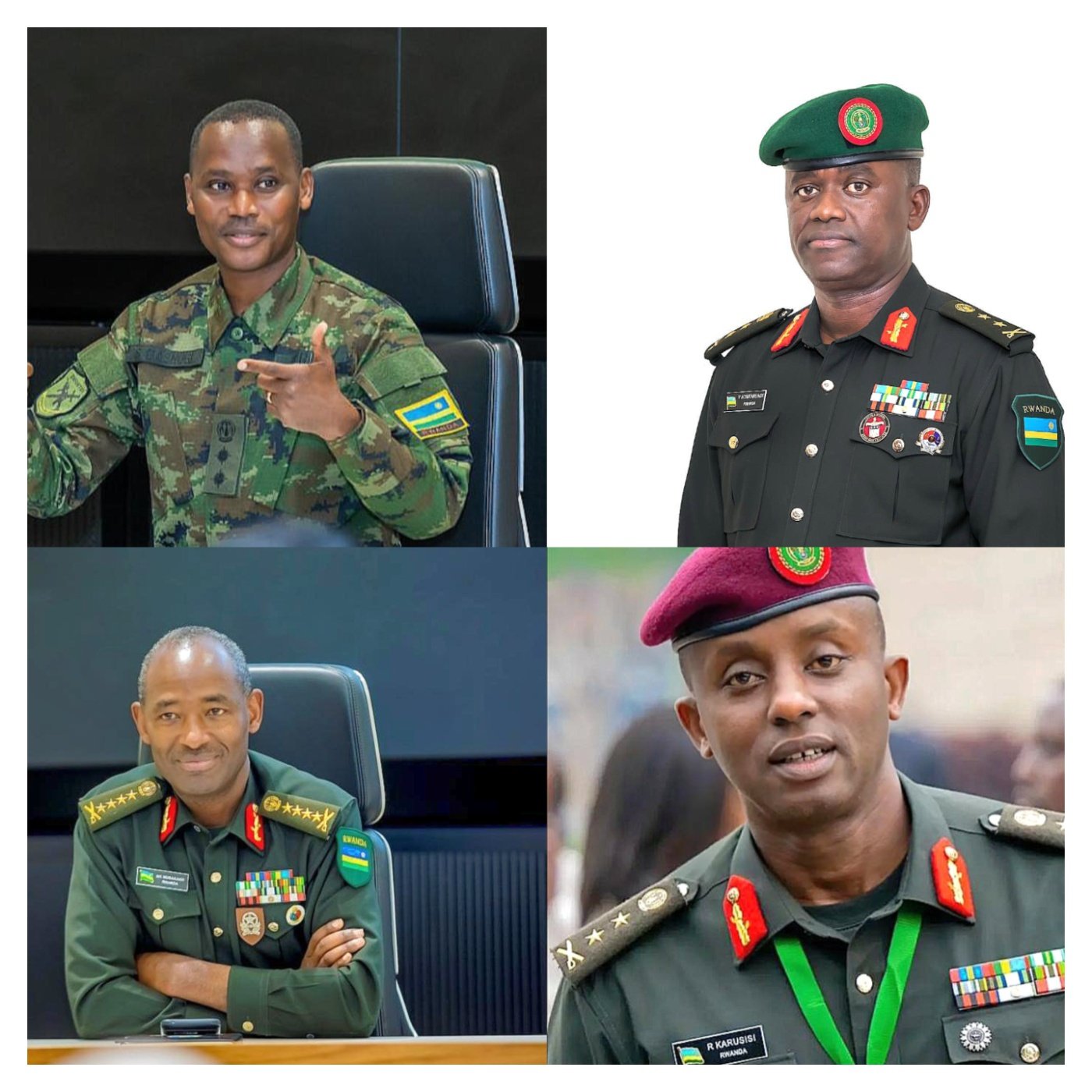
US has sanctioned Rwandan Military and Senior Officers over alleged support to M23 in Eastern DRC.
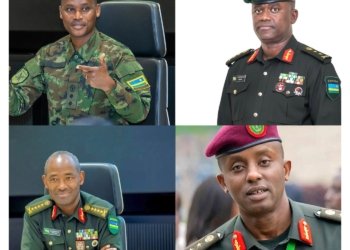
NewsOnline Nigeria reports that the United States has imposed sanctions on the Rwandan Defence Force (RDF) and four of its senior officers, citing what it described as “direct operational support” to the March 23 Movement (M23) and affiliated armed groups operating in eastern Democratic Republic of the Congo.
In a statement issued Monday, the U.S. State Department said sustained backing from the RDF and its leadership enabled M23 to seize key locations in Congolese sovereign territory, including Goma, Bukavu, and most recently Uvira. The sanctions come days after U.S. President Donald Trump presided over the December 4, 2025 signing of the Washington Accords for Peace by Congolese President Felix Tshisekedi and Rwandan President Paul Kagame.
ALSO: Cristiano Ronaldo Leaves Saudi Arabia Amid Middle East Escalation, Flies to Madrid by Private Jet
According to U.S. officials, Rwanda-backed M23 forces captured Uvira shortly after the peace agreement was signed. M23, already under U.S. and United Nations sanctions, has been accused of human rights violations, including executions and violence against civilians. U.S. authorities say the group has expanded significantly, growing from several hundred fighters in 2021 to more than 8,000 members.
Senior Military Leaders Targeted
The sanctions apply to:
Gen. Mubarakh Muganga, RDF Chief of Defense Staff
Maj. Gen. Vincent Nyakarundi, Army Chief of Staff
Maj. Gen. Ruki Karusisi, 5th Infantry Division Commander
Brig. Gen. Stanislas Gashugi, Special Operations Commander
The U.S. Treasury Department’s Office of Foreign Assets Control (OFAC) has blocked their property and financial interests under U.S. jurisdiction. Treasury Secretary Scott Bessent called for the “immediate withdrawal of RDF troops, weapons, and equipment” from Congolese territory.
Rwanda Rejects Sanctions as “Misrepresentation”
Rwanda has strongly rejected the U.S. measures. Government spokesperson Yolande Makolo described the sanctions as “unjustly targeting only one party to the peace process” and said they distort the facts surrounding the conflict.
Makolo accused the Congolese side of violating ceasefire terms through what she called “consistent and indiscriminate” drone attacks and ground offensives. She further alleged that the DRC coalition includes foreign mercenaries, ethnic militias known as Wazalendo, and the FDLR militia operating alongside the Congolese Armed Forces (FARDC).
Kigali, however, reiterated its commitment to the Washington Accords and the broader Regional Economic Integration Framework aimed at stabilizing the Great Lakes region.
Regional Stability at Risk
The United States emphasized that the Washington Accords represent a potential turning point for the Great Lakes region, intended to foster peace, cooperation, and long-term prosperity among neighboring states. However, renewed fighting in eastern Congo, particularly in South Kivu, has raised fears of broader regional destabilization.
Last December, the U.S. and European partners issued a joint warning after renewed M23 offensives, cautioning that escalating violence could destabilize the wider region.
As tensions remain high, diplomatic efforts continue amid calls from Washington for de-escalation and full adherence to the peace agreement.