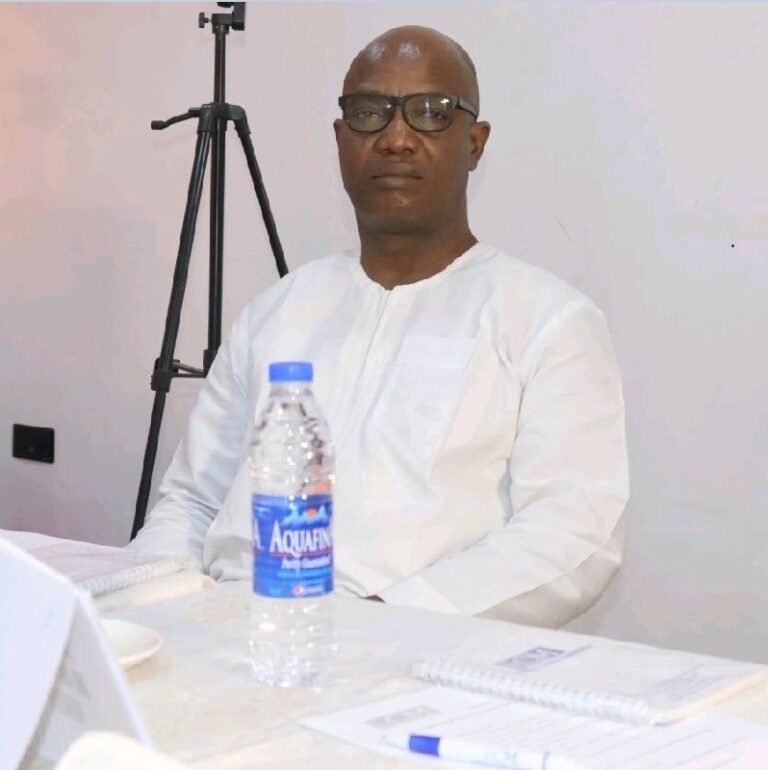
Festus Edovia
In a country richly endowed with human capital and natural resources, it is both painful and frustrating that millions of citizens still live in poverty and daily hardship. This contradiction is no longer difficult to explain. Over the years, the looting of public funds has gradually evolved from isolated misconduct into a troubling culture among some individuals entrusted with leadership.
In any functional society, public office is a position of trust. It is meant to embody service, responsibility, and accountability. Leaders are elected or appointed to manage the collective resources of the people, strengthen institutions, build infrastructure, and create opportunities for sustainable development. Sadly, the reality often appears different. For many, public office has become a pathway to personal enrichment rather than a platform for national service.
The signs of this dysfunction are visible across the country. Projects are frequently announced and budgeted for, yet remain abandoned. Roads continue to deteriorate despite repeated allocations for rehabilitation. Hospitals struggle with inadequate equipment and personnel even as huge sums are earmarked for healthcare in national and state budgets. Schools decay while funds meant to improve education are mismanaged or diverted. Meanwhile, ordinary citizens grapple daily with unemployment, rising inflation, and failing public services.
Even more disturbing is the climate of impunity that often surrounds allegations of corruption. Instead of swift accountability, the public is frequently confronted with political theatrics, denials, and prolonged investigations that rarely produce meaningful consequences. In some cases, individuals facing serious corruption allegations simply change political affiliations, re-emerge in positions of influence, and continue business as usual.
This entrenched culture of looting carries severe consequences for national development. It weakens institutions, erodes public trust, discourages investment, and deepens the hardship faced by citizens. When leaders prioritize personal gain over public good, the very foundation of governance begins to decay.
No nation can progress when corruption becomes normalized within its leadership structure. Development cannot thrive where transparency and accountability are absent. Strong institutions cannot flourish if those entrusted with protecting them are the same individuals undermining them.
Nigeria now stands at a critical crossroads. The country cannot afford to continue on a path where public resources are treated as private assets. The fight against corruption must go beyond speeches and slogans. It requires strong institutions, transparent governance, and the political will to hold individuals accountable regardless of their status or influence.
Ultimately, leadership must return to its true essence; service to the people. Until that transformation occurs, the promise of national progress will remain elusive, and the suffering of the masses will continue unnecessarily.
The question confronting the nation is simple but urgent: will leadership once again become a platform for service, or will the culture of looting continue to define those who hold power?
Written by Festus Edovia, ANIPR, FICM.
Boko Haram Terrorists has attacked Chibok Community and set houses ablaze. NewsOnline Nigeria reports…
NASU and SSANU has commenced nationwide strike over unresolved allowance dispute. NewsOnline Nigeria reports…
President Tinubu has appointed Rilwan Babalola as Special Adviser on Power and set up Presidential…
Supreme court has restored David Mark as ADC National Chairman and voided appeal court order.…
Supreme court has voided PDP Ibadan convention and nullified Turaki-led factional executives. NewsOnline Nigeria…
Let’s stop pretending: what Nigeria practices today hardly reflects the true essence of democracy. Instead,…