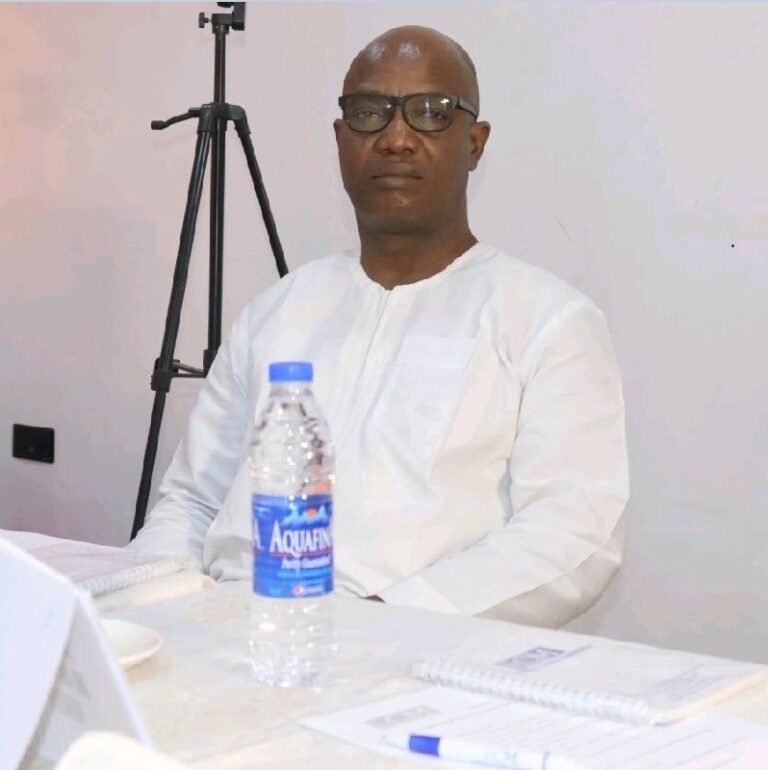
Festus Edovia
It is often worth asking: why do some people struggle to acquire everything; wealth, influence, and power only to leave it all behind in the end? The relentless pursuit of status, driven by the need to prove one has “arrived,” can easily overshadow the deeper purpose of life. In truth, what gives life meaning is not accumulation, but impact how we live, and how we affect others while we are here.
Life is transient. Nothing lasts forever. Yet, many continue to act as though power and material wealth are permanent achievements. This mindset is particularly evident in the political space, where the race for control sometimes appears to take precedence over service. When public office becomes a means of personal enrichment rather than a platform for collective progress, the consequences are felt across society.
Today, many Nigerians face difficult realities rising poverty, inadequate infrastructure, unstable power supply, insecurity, and limited economic opportunities. These challenges raise important questions about accountability and the use of public resources. When the gap between leadership and the lived experience of citizens widens, trust begins to erode.
Criticism in such moments should not be dismissed as envy or hostility. Rather, it should be seen as part of a necessary conversation about governance, responsibility, and national development. A healthy democracy depends on the willingness of leaders to listen, reflect, and act in the interest of the people.
It is also important to remember that legacy is not measured by titles or possessions, but by contribution. No amount of wealth or influence can substitute for integrity, compassion, and service. True leadership is reflected in the ability to improve lives, strengthen institutions, and leave behind systems that benefit future generations.
Nigeria is a country richly endowed with both human and natural resources. The opportunity to transform these into shared prosperity remains within reach but it requires a shift in priorities. Public office must be seen not as an opportunity to accumulate, but as a responsibility to serve.
The call, therefore, is simple: let resources be used for development, let policies reflect the needs of the people, and let leadership be guided by purpose rather than excess. In the end, what endures is not what we gather, but what we give.
A word, as they say, is enough for the wise.
By Festus Edovia, ANIPR, FICM
Jonathan and AGF have moved to strike out suit challenging his 2027 election eligibility. …
Impact Investors Foundation has unveiled GESI Baseline Report at 4th Gender Impact Investment Summit in…
Ayobami has celebrated Tokunbo Wahab at 54 for Leadership, Mentorship and Public Service Impact. …
Union Bank has marked 2026 International Day of the Boy Child with School Outreach in…
Sterling Financial has deepened market confidence as assets cross ₦4tn and profit jumped 53% in…
Tinubu Presidency has knocked Peter Obi over Rwanda trip comments. NewsOnline Nigeria reports that…