Tanzania made the bold decision to ban the ownership of slot machines by foreign individuals and companies. Since then, it has introduced more legislation, which it plans to use to transform the sector into a revenue-making powerhouse.
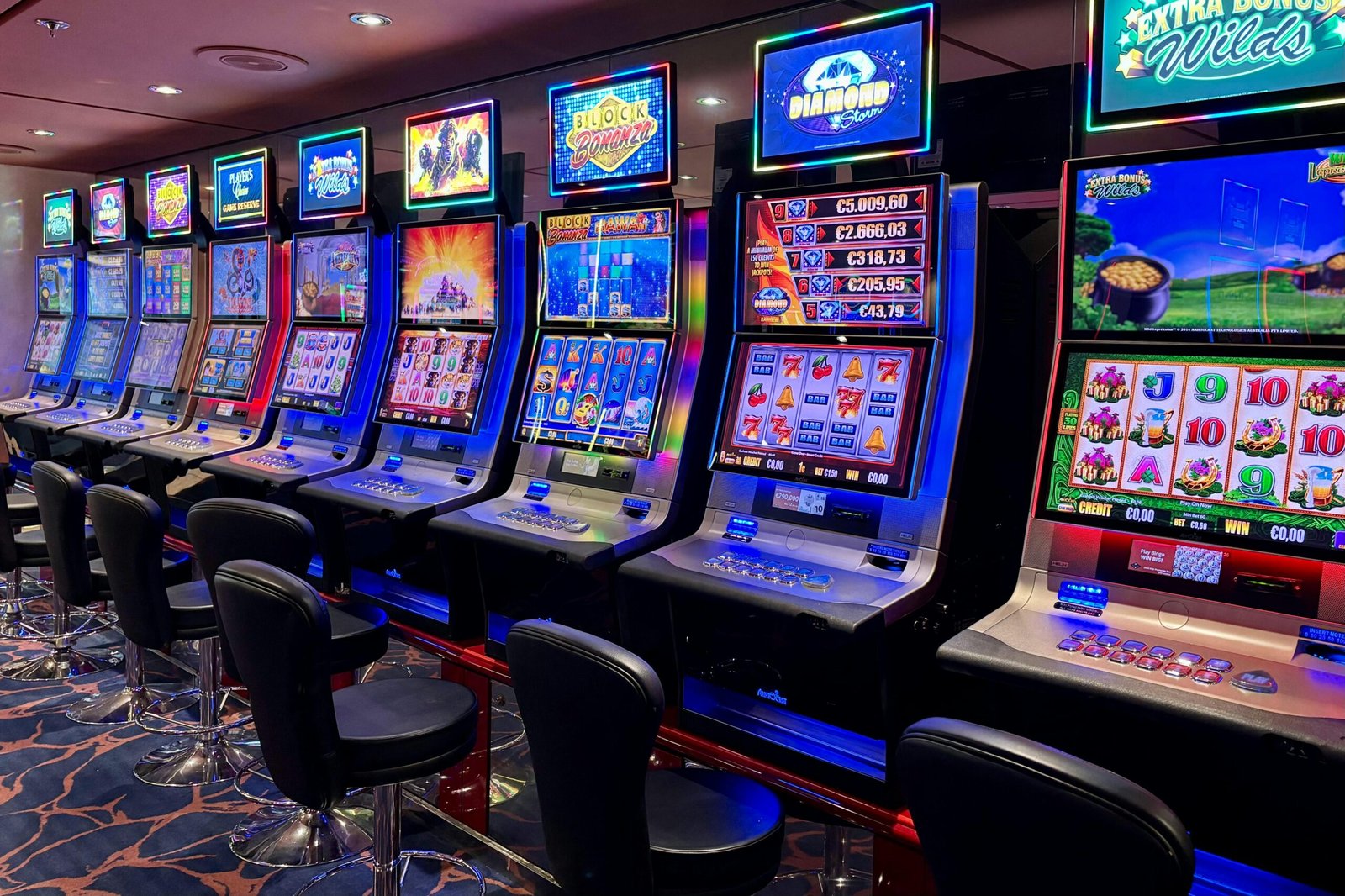
Last year, Tanzania banned foreign-owned betting shops and slot machines. This is one part of a wider initiative to regulate it, following lax and unclear rules on gambling. These small-scale businesses will now be reserved exclusively for Tanzanians. On top of this, new regulations will clampdown on illegal operators elsewhere, enhancing its regulated gambling sector.
Bans on Foreign-Owned Slot Devices
This ban came in the form of Government Notice No. 487A, arriving on July 28th. It specifically stated that “The business activities specified in the Schedule to this Order shall not be carried out by non-citizens.” This also included the ownership of any gambling machines outside licensed casinos and owning or managing micro and small industries.
Locally owned operations will not be impacted, neither will those in the licensed sector. The whole move is part of a broader reform, going beyond the gambling business. It also includes the delivery, retail and mobile finance sectors, which the country is looking to modernise.
The changes to gambling legislation over the past few years have now attracted a wealth of top, global brands to the country, such as Jackpot City Tanzania. They provide all the games they have built their reputation on, from innovative crash gaming titles to classic table games and slots. By being licensed, they abide by all the rules and regulations, facilitating transparent and fair play.
Clamping Down on Illegal Operators
The government has instigated an enforcement since this came into play. The Ministry of Industry and Trade was noted to have spearheaded raids on around 100 illegal business premises. Around 183 individuals were apprehended, with some facing deportation. These crimes can come with a TSh 10 million ($3,8000 fine) and even short prison sentences. They also apply to anyone found assisting foreigners in setting up or running these activities.
There have been several concerns raised in the country’s biggest city, Dar es Salaam, that foreigners were monopolising these businesses. These were primarily coming from China, and concerns were not limited to the gambling sector but also other areas of business as well. The former chariman of the Tanzania Sports Betting Association, Jimmy Masaoe, noted that it will not only empower local entrepreneurs but also bring order to the gambling sub section.
Tanzania Shows Record Gambling Growth
In the last four years, Tanzania has experienced huge growth in its gambling sector. Revenues were formerly standing at TZS 131.99 billion, yet have ballooned to TZS 260.21 billion. This has resulted in the creation of 30,000 jobs, both directly and indirectly, for those living in the country. They also stand to benefit from the TZS 922.25 billion in tax.
In the last two years, there have 62 licensed companies operating in Tanzania. This not only included casino and sportsbetting, but the grant of a license to Ithuba Tanzania Limited to run a national lottery scheme. This company is 40% locally owned, with a 60% stake coming from South Africa.
When it comes to sports betting, 5% of the revenue made goes directly to the National Sports Council. This has arrived in the form of coaching in rural areas, with upgrades to pitches and tracks.
Moving into Safer Gambling
Tanzania seems to know the virtue of a regulated sector and is taking the social responsibilities that come with it very seriously. It has recently undertaken new measures to combat underage gambling and advertising at younger age groups. One of these took the form of a warning on August 12, 2025, from Daniel Olesumayan, the Director General of the Gaming Board of Tanzania. He provided families with warnings about the dangers of betting on console videogames from home. This was followed in 2026 by the introduction of an initiative to combat wider unlicensed operations. This will involve four risk-based inspections and four enforcement actions.
The government has set out a goal of 29.89 billion Tanzanian shillings in revenue generation. The government is hoping this drive will also help modernise other sectors, such as state-run businesses and infrastructure. However, it still has to change the public perception of gambling in a country that still considers it largely taboo.
For this, it has a wealth of other states and countries to observe. In the Middle East, the UAE is currently quietly introducing online casinos and sports betting. Watching this as a case study, in an area that is typically extremely hostile to the concept of gambling, will be interesting. Tanzania could learn valuable lessons in what, and what not, to do.
Tanzania is also beholden to other factors. It needs smartphone adoption to continue increasing, and seems to overlook the need for stable payment methods. Yet if it can rectify this, along with the planned changes, it could be the most vibrant and safe gaming sector in Africa.