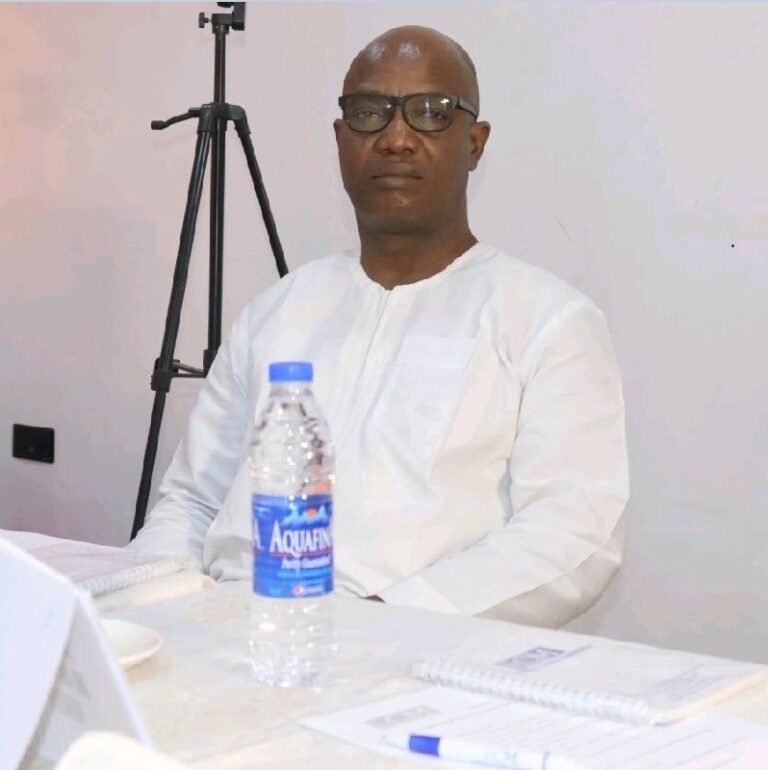
Festus Edovia
In Nigeria today, political power increasingly appears less about service to the people and more about preserving personal influence, protecting vested interests, and maintaining access to public resources.
As several governors approach the end of their tenure, many are already positioning themselves for seats in the National Assembly — not necessarily to deepen legislative governance or strengthen democracy, but, in the eyes of many Nigerians, to remain politically relevant and sustain control within the corridors of power.
For ordinary citizens battling daily hardship, this trend has become both frustrating and disheartening.
Across the country, millions of Nigerians continue to struggle with rising food prices, unemployment, insecurity, poor healthcare systems, failing infrastructure, and declining living standards. Yet while citizens endure economic pain, political office holders often transition seamlessly from one powerful office to another, maintaining influence within a political system many believe no longer prioritises the welfare of the people.
The concern is no longer simply about politics. It is about the growing perception that governance has become detached from the realities of the masses.
Nigeria’s political landscape increasingly resembles a revolving door where the same individuals recycle themselves through various offices while national development remains stagnant. From Government Houses to the Senate chambers, familiar political faces continue to dominate the system, leaving many young Nigerians questioning whether true political renewal is even possible.
What makes the situation more troubling is the widening disconnect between leadership and public suffering.
At a time when citizens are being asked to endure economic reforms, make sacrifices, and remain patient through difficult conditions, many politicians continue to enjoy extravagant lifestyles funded by public resources. This contrast fuels anger, distrust, and growing political apathy among the electorate.
For many Nigerians, the issue is not merely that politicians seek new offices after leaving previous positions. Democracy allows citizens to contest elections and continue public service. The deeper frustration lies in the perception that political ambition in Nigeria is too often driven by self-preservation rather than public purpose.
Politics should be about solutions, accountability, and national progress. Instead, it is increasingly viewed as a career pathway for personal enrichment and influence retention.
This culture has weakened public trust in governance and damaged confidence in democratic institutions.
Yet despite the frustration, the solution cannot be hopelessness or disengagement. The future of Nigeria still rests largely in the hands of its citizens.
Meaningful change will require greater civic participation, increased voter awareness, and a stronger commitment to holding leaders accountable beyond election periods. Nigerians must move beyond ethnic loyalties, party sentiments, and financial inducements to support leaders based on competence, integrity, and vision.
The country cannot afford to continue recycling leadership without measurable progress in the lives of the people.
A democracy thrives when public office is treated as a responsibility, not an entitlement. It survives when leaders understand that power is temporary and must be exercised in the interest of citizens, not personal networks.
Nigeria still possesses the human capital, resources, and potential required for transformation. But genuine progress will remain difficult as long as politics continues to reward power retention above public service.
The time has come for both leaders and citizens to rethink the direction of the nation.
Until governance becomes truly people-centred, the cycle of political recycling and public suffering may continue to define Nigeria’s democratic journey.
Written by Festus Edovia, ANIPR, FICM.
FirstHoldCo posted N321bn profit as Q1 gross earnings hit N942bn. NewsOnline Nigeria reports that…
As Nigeria gradually inches toward the 2027 presidential election, one political reality is becoming increasingly…
Daniel Bwala has alleged that President Tinubu sent envoys to Atiku after inauguration but was…
Rivers Governor Fubara declined media questions after APC screening in Abuja. NewsOnline Nigeria reports…
APC Governors has splitted as rival factions emerge in Progressive Governors Forum. NewsOnline Nigeria…
Shyllon Museum is set to host NATOP to boost cultural tourism and position Ibeju-Lekki as…