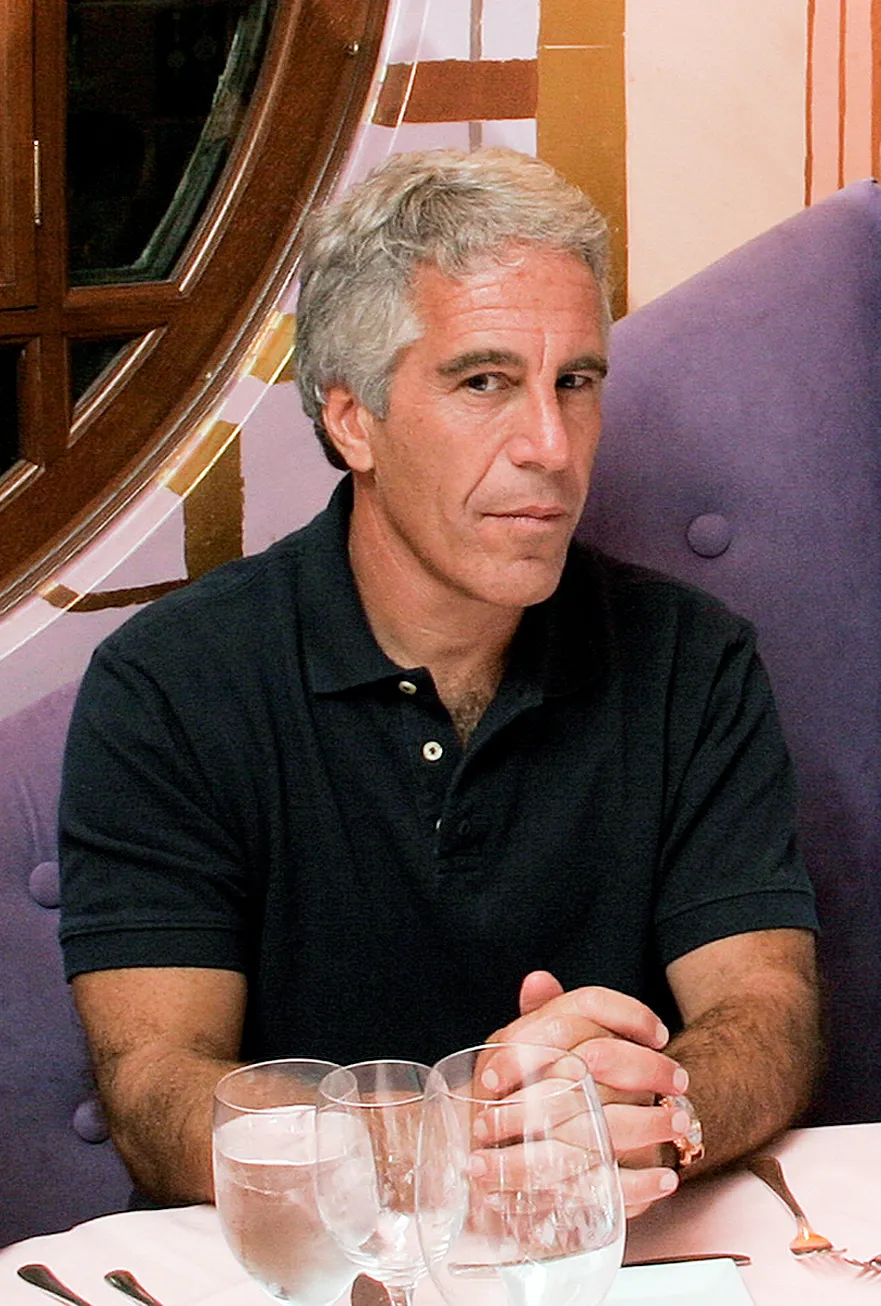
Jeffrey Epstein Life, Wealth, Sex Crime Allegations, Island, death and the controversial Epstein files details can be accessed below.
NewsOnline Nigeria reports that Jeffrey Epstein, an American financier born on January 20, 1953, in Brooklyn, New York, became one of the most notorious figures of the 21st century following widespread allegations of sex trafficking involving underage girls.
Epstein, who died by suicide on August 10, 2019, while in federal custody in Manhattan, was awaiting trial on sex-trafficking charges at the time of his death.
ALSO: US to Deport 79 Nigerians as DHS Releases ‘Worst-of-the-Worst’ Criminal List
Through a largely opaque financial career, Epstein rose to become a multimillionaire and cultivated relationships with some of the world’s wealthiest individuals, influential politicians, academics and members of royalty. His connections, private jet travel, and ownership of multiple high-value properties, including the private island of Little St. James in the U.S. Virgin Islands later became central to public scrutiny.
Following his death, renewed attention turned to the so-called “Epstein files,” a vast collection of court records, emails, flight logs and investigative documents linked to Epstein and his associates. Debate over the content of these files intensified during the second administration of U.S. President Donald Trump, eventually leading to bipartisan calls for their public release. When thousands of documents were released between 2025 and early 2026, controversy deepened over the scope of redactions, the protection of survivors’ identities and the appearance of powerful names in the records.
Epstein’s early life was marked by academic promise. He excelled in mathematics, attended the Cooper Union and later New York University, though he never graduated. Despite lacking a degree, he began teaching at the elite Dalton School in Manhattan in the mid-1970s, where his association with wealthy families helped launch his finance career. He later joined Bear Stearns, rising quickly before leaving the firm amid internal investigations.
By the 1980s, Epstein had established himself as a money manager for ultra-wealthy clients, most notably retail magnate Leslie H. Wexner. His wealth expanded significantly, allowing him to acquire luxury homes in Manhattan, Palm Beach, Paris and New Mexico, as well as two private islands in the Caribbean. During this period, Epstein further expanded his social circle to include prominent business leaders, politicians and celebrities.
Epstein was first accused of sexual abuse in 2005, triggering a lengthy investigation. In 2008, he entered a controversial plea deal in Florida, pleading guilty to state prostitution-related charges and serving 13 months in custody under a work-release arrangement. The deal later drew widespread criticism for its leniency. Civil lawsuits and investigative reporting continued to uncover additional allegations, with survivors estimating that hundreds of girls and young women were abused over several decades.
In 2019, Epstein was arrested again on federal sex-trafficking charges. He was denied bail and held at the Metropolitan Correctional Center in New York, where he was later found dead in his cell. His death was ruled a suicide, though failures in jail protocols including camera malfunctions and lapses in supervision, fueled public suspicion and conspiracy theories. Subsequent investigations by the U.S. Department of Justice’s Office of Inspector General found no evidence of criminal wrongdoing related to his death.
Epstein’s longtime associate, Ghislaine Maxwell, was convicted in 2021 of sex trafficking and related offences involving underage girls and sentenced to prison. Her conviction further intensified demands for transparency surrounding Epstein’s network.
Between late 2025 and January 2026, U.S. authorities released hundreds of thousands and later millions of pages of Epstein-related documents under the Epstein Files Transparency Act. While officials stressed that being named in the files does not imply wrongdoing, the releases reignited debate about accountability, elite privilege and justice for survivors. Many survivors have criticised the releases as incomplete, saying their identities were exposed while powerful abusers remained shielded.
More than six years after his death, Jeffrey Epstein remains a symbol of systemic failure, raising unresolved questions about power, influence, institutional accountability and the protection of vulnerable victims in the face of extreme wealth and privilege.