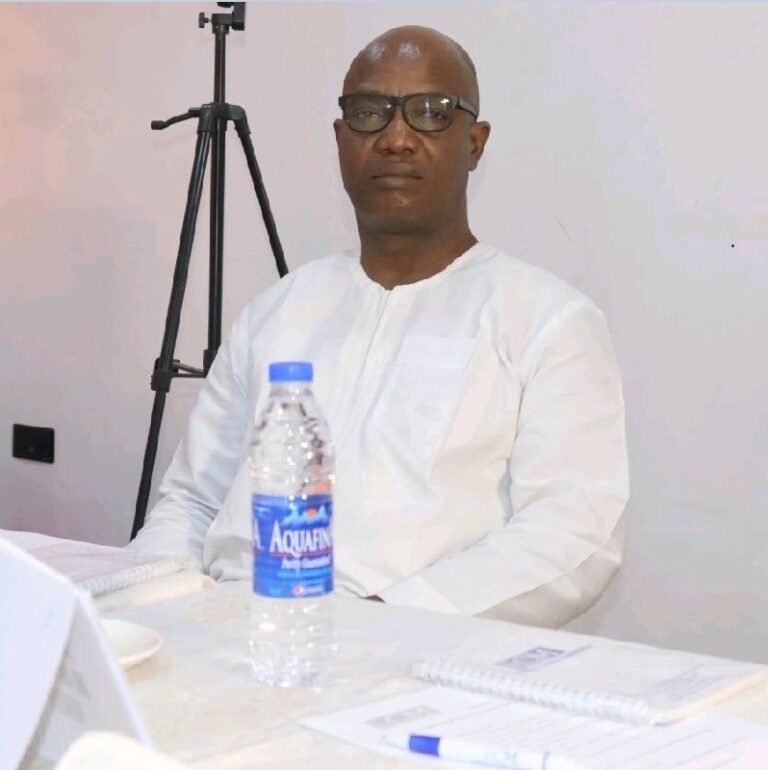
Festus Edovia
Drug abuse among undergraduate students has become one of the most alarming social challenges confronting Nigeria’s higher institutions today. What often begins as experimentation, peer pressure, or the desire to “fit in” is gradually destroying promising futures and turning bright students into shadows of themselves.
Across many campuses, a growing number of students are losing focus on academics. Lectures are skipped, studies are neglected, and hostel rooms are increasingly becoming spaces for substance abuse and unhealthy influence. Over time, what starts as occasional indulgence often develops into addiction; one that reshapes behaviour, distorts judgment, and destroys ambition.
The consequences extend far beyond the individual.
Drug dependency has been linked to rising cases of cultism, violence, and other criminal activities among students. In many instances, affected students become not only a danger to themselves but also to their peers and the wider campus community. Institutions that should be nurturing future leaders are, in some cases, struggling with a silent crisis that undermines discipline and academic excellence.
One of the most painful realities is that many parents remain unaware until the damage is already severe. By the time drug use is discovered, the emotional, financial, and psychological toll is often overwhelming. Some families go as far as investing heavily in rehabilitation and treatment, only for relapse to occur when the student returns to the same environment that enabled the addiction in the first place.
Drug abuse does not only affect the victim, it affects entire families.
Parents are left devastated watching their children’s potential erode, while struggling with feelings of guilt, confusion, and helplessness. Recovery is possible, but it requires patience, consistent support, professional intervention, and strong moral guidance.
Peer influence remains one of the strongest drivers of substance abuse on campuses. The company students keep often determines the choices they make. Unfortunately, in some cases, exposure begins even before university life, especially where substance use already exists within the home or immediate environment.
This makes prevention critical.
Parents must take greater responsibility in maintaining communication with their children, monitoring behavioural changes, and staying informed about their academic and social life. Engagement with schools, lecturers, and academic advisers can also help identify early warning signs before situations escalate.
At the institutional level, universities must strengthen counselling services, awareness campaigns, and disciplinary frameworks that discourage drug use while supporting rehabilitation for affected students. Religious bodies and community organisations also have a role to play in shaping values and reinforcing responsible behaviour.
The reality is simple but urgent: drug addiction is far easier to prevent than to cure. Once it takes root, recovery becomes a long, difficult, and uncertain journey.
If Nigeria is to safeguard its future, then its campuses must not become breeding grounds for addiction and lost potential. Every student destroyed by drugs represents not just a personal tragedy, but a national loss of talent, leadership, and possibility.
The fight against drug abuse must therefore be collective, deliberate, and sustained—before more futures are lost before they truly begin.
Written by Festus Edovia, ANIPR, FICM
In Nigeria’s evolving democratic space, leadership is increasingly being reduced to a struggle for personal…
JAMB has exempted Education and Agriculture Candidates from UTME Requirement. NewsOnline Nigeria reports that…
President Tinubu has given crucial appointment to Retired Major General Adeyinka Fadewa. NewsOnline Nigeria…
JAMB 2026 University Admission Cut-Off Mark has been released by the examination umpire. NewsOnline…
Nigeria’s economic resilience has historically been driven by its nano and micro-enterprises, ranging from roadside…
Former President Olusegun Obasanjo has said Nigerian troops should not have fought Biafran soldiers during…