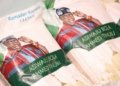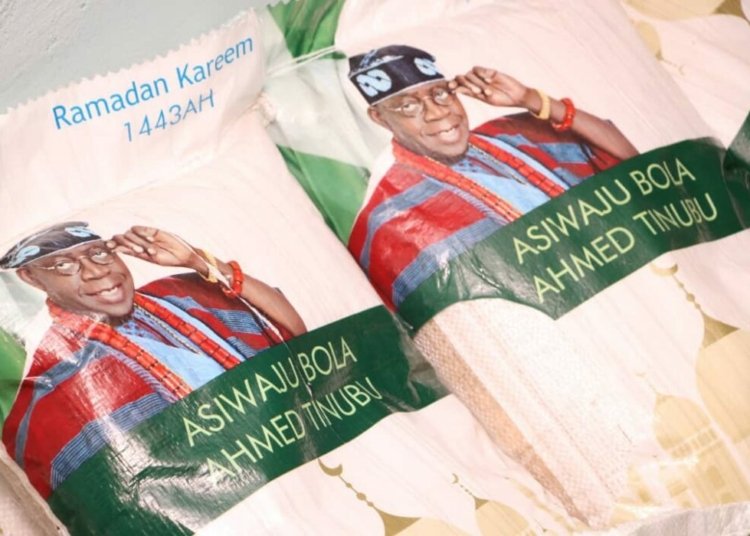
Election season has arrived, and with it comes a familiar political ritual: bags of rice, noodles, bread, wrappers and other handouts distributed to poor Nigerians in the name of “empowerment” and “support.”
But we must ask an uncomfortable question: are these gestures genuine empowerment, or are they sometimes being used to turn poverty into political currency?
For years, millions of Nigerians have struggled with unemployment, insecurity, kidnapping, banditry, poverty, inadequate infrastructure and a punishing cost of living. Yet, when elections approach, some politicians suddenly rediscover the same citizens they may have struggled to reach or listen to during their time in office.
A bag of rice appears.
Then noodles.
Bread is distributed. Photographs are taken. Political praise begins.
Then the election ends.
The handouts disappear, but the hardship remains.
What an irony.
The same government system that should create jobs, provide security, strengthen healthcare, improve education and develop infrastructure can leave citizens struggling to survive—and then return during election season with food items as though temporary relief were a substitute for good governance.
Rice cannot replace good governance
Political leaders have a responsibility to address the conditions that make millions of citizens dependent on handouts in the first place.
Citizens need opportunities, not perpetual dependence.
They need functioning schools, hospitals, roads, security systems and an economy that allows people to earn a decent living.
ALSO: “I Won’t Die for My Children”: The Ambulance Driver Who Saw a Father’s Corpse Exhumed to Sell His House
Meanwhile, political office holders and those within their circles may enjoy privileges that many ordinary Nigerians can only dream of. Some can afford expensive medical treatment abroad or send their children to schools overseas, while millions of Nigerians struggle with inadequate healthcare, overcrowded classrooms and rising living costs.
This should make every citizen ask a simple question:
Why should Nigerians continue receiving crumbs from a system that is supposed to provide opportunities, dignity and prosperity?
There is nothing inherently wrong with providing emergency relief to people in need. In difficult economic circumstances, food assistance can be necessary.
The problem begins when relief becomes a substitute for policy, and when poverty becomes an instrument for securing political loyalty.
The politics of dependency
Even more troubling is what can happen when beneficiaries begin to equate temporary gifts with effective leadership.
They collect the handouts, praise the politicians and sometimes attack anyone who questions their record.
That is how political dependency can grow.
The citizen becomes grateful for what should never have been necessary in the first place.
Rice cannot create sustainable employment.
Noodles cannot secure a community.
Bread cannot fix a broken healthcare system.
Political gifts cannot build a nation.
And certainly, a bag of rice should not be worth more than a citizen’s conscience.
Politicians who genuinely want to help poor Nigerians should support policies that create sustainable livelihoods and reduce poverty—not simply appear during election season with temporary relief.
Your vote is not a thank-you note
Citizens must also recognise the power they possess.
Your vote is not a thank-you note for a bag of rice.
Your vote is not payment for noodles.
Your vote is not compensation for bread.
Your vote is an expression of your choice about who should govern and how the country should be governed.
So, before accepting any election-season gift, ask yourself:
What happens after the rice is finished?
The politician may return to office.
The poor citizen may return to the same unemployment, insecurity, inflation, inadequate infrastructure and economic hardship.
Four years can pass very quickly.
The rice may last a week.
The consequences of a political decision can last for years.
That is why Nigerians must look beyond campaign gifts and examine candidates, their records, policies, accountability and commitment to public service.
Beyond the next meal
We cannot continue complaining about poor governance while allowing temporary handouts to become the primary measure by which we assess political leadership.
Nigeria does not need leaders who feed citizens for a day and leave them struggling for the next four years.
Nigeria needs leaders who will build an economy and institutions in which citizens can feed themselves with dignity.
The goal should not be to make Nigerians permanently dependent on political generosity.
The goal should be to make political generosity unnecessary.
That requires jobs.
It requires security.
It requires quality education.
It requires accessible healthcare.
It requires infrastructure.
It requires an economy in which hard work can translate into a decent standard of living.
And it requires citizens who understand that their political power is far more valuable than any temporary gift.
Do not sell tomorrow for today’s rice
The time has come to move beyond political handouts and demand accountability.
We must stop celebrating crumbs while the larger national meal is being taken away.
Do not surrender your political judgment for a bag of rice.
Do not trade your long-term interests for noodles or bread.
Do not allow temporary relief to prevent you from asking permanent questions about governance.
Ask candidates what they have done.
Ask what they intend to do.
Ask how they will do it.
Ask how their promises will be funded.
And, most importantly, ask what mechanisms will exist to hold them accountable when they fail.
Nigeria is the only country we can call our own.
We must therefore defend its future—not only for ourselves, but for the generations coming after us.
The rice will finish. The noodles will finish. The election will finish.
But the consequences of the choices we make can remain for years.
A word is enough for the wise.
Written by Festus Edovia, ANIPR, FICM