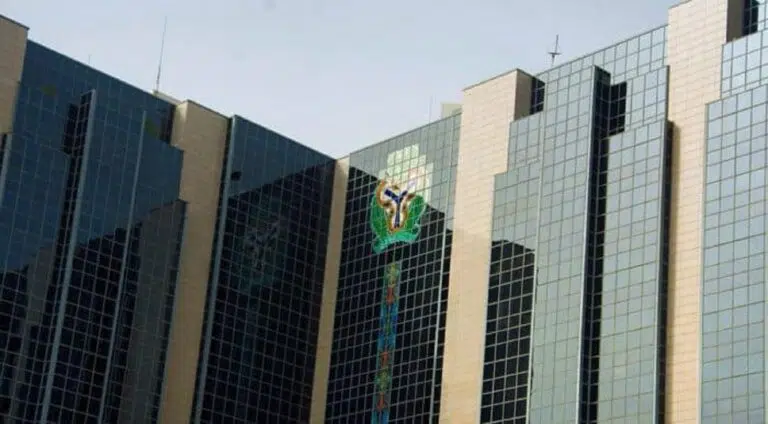
NewsOnline Nigeria reports that the Central Bank of Nigeria (CBN) has formally launched a dedicated Compliance Department, a major step in its ongoing efforts to enhance regulatory effectiveness and streamline supervisory responsibilities.
According to a circular signed by Olubunmi Ayodele-Oni, the department was created in the first quarter of 2025 and became fully operational in the second quarter. The initiative is part of broader structural reforms aimed at consolidating oversight functions, clarifying institutional roles, and ensuring focused supervision of non-prudential and emerging risks.
The new department will oversee:
Financial Crime Supervision – covering Anti-Money Laundering (AML), Counter Financing of Terrorism (CFT), Counter-Proliferation Financing (CPF), and sanctions compliance
Market Conduct Supervision – including disclosure practices, complaints management, and advertising standards
Enterprise Security Supervision – focusing on cybersecurity, data protection, and third-party risk management
Corporate Governance and ESG Supervision – emphasizing board effectiveness and environmental, social, and governance oversight
The CBN has instructed all regulated financial institutions to direct reports, correspondence, and inquiries relating to these areas to the Director of the Compliance Department through designated communication channels. Detailed guidance on points of contact and submission procedures will be provided by the department.
“The establishment of the Compliance Department is a strategic move to embed regulatory discipline and ensure robust oversight of non-prudential risks,” the circular stated. The CBN reaffirmed its commitment to collaborating with financial institutions to ensure a smooth transition and uphold the highest standards of compliance.
In July, the CBN raised concerns over a 45% surge in financial fraud over the past year, with 70% of losses linked to digital channels, particularly unregulated virtual asset platforms. The findings were presented by Deputy Governor for Economic Policy, Muhammad Sani Abdullahi, on behalf of CBN Governor Olayemi Cardoso, during a public lecture organized by the EFCC.
While digital innovation has expanded financial inclusion, Cardoso noted, it has also introduced complex regulatory and security challenges, underscoring the need for enhanced oversight.
The CBN recently mandated all participants in Nigeria’s payment ecosystem to migrate to the ISO 20022 messaging standard and implement mandatory geo-tagging of payment terminals by October 31, 2025. The directive affects Deposit Money Banks, Microfinance Banks, Mobile Money Operators, Switching and Processing Companies, Payment Terminal Service Providers, Payment Solution Service Providers, Super Agents, and other licensed operators.
The move aligns Nigeria’s payment systems with global standards, ensuring transparency, efficiency, and security in financial transactions.
Wike has picked Fubara's replacement ahead of Rivers Governorship election. NewsOnline Nigeria reports that…
Wabara-led BoT has appointed 13-member NWC amid PDP crisis. NewsOnline Nigeria reports that the…
Protest has erupted at federal high court Abuja over detention of Blogger Justice Crack. …
Food palliatives cannot replace genuine development. While temporary relief may help vulnerable citizens survive difficult…
Everywhere we turn, the world appears to be bleeding. From Africa to Europe, conflict is…
APC Spokesman Felix Morka has mocked Peter Obi over ADC exit amid crisis. NewsOnline…