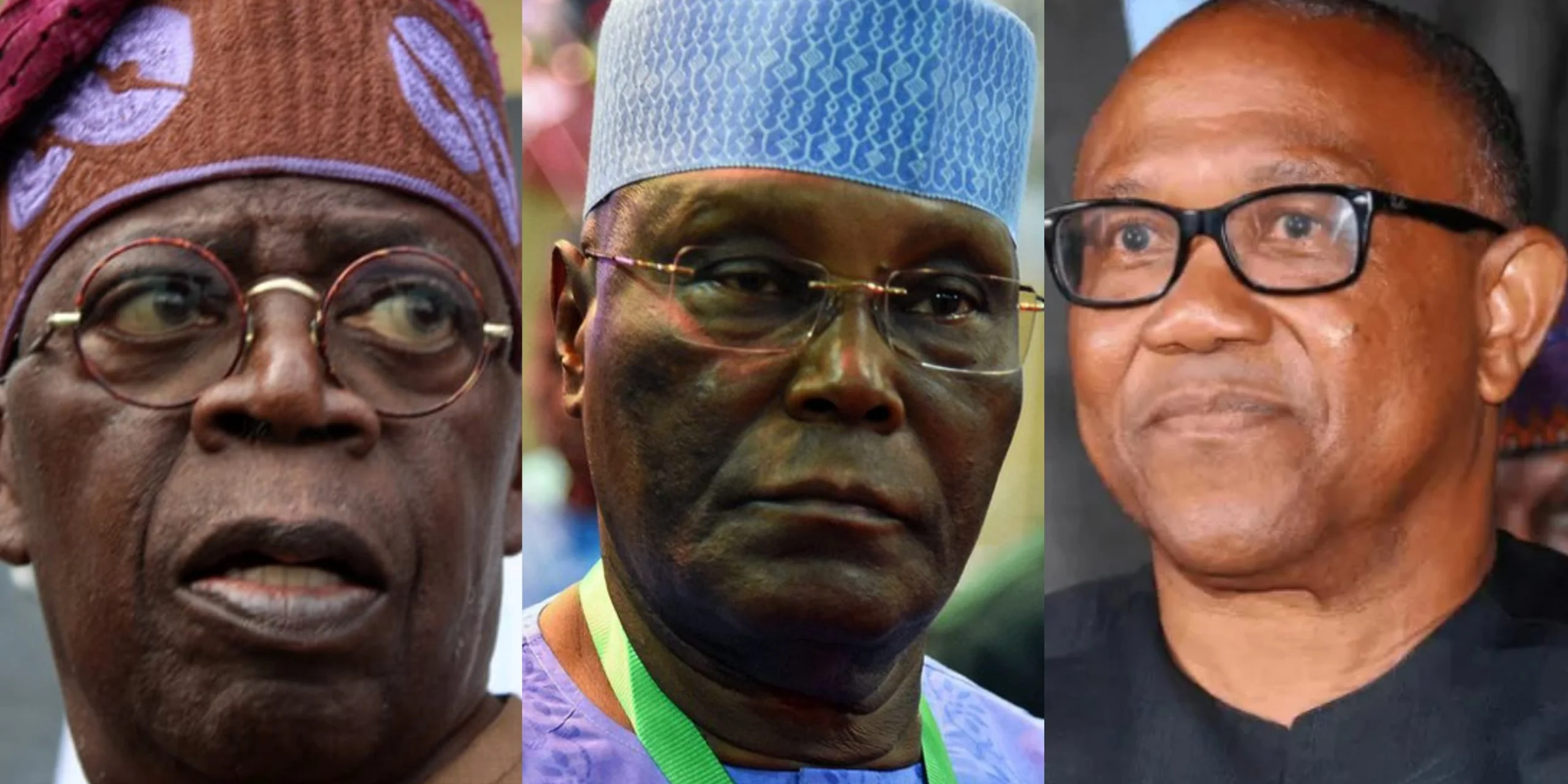
As global tensions rise and many nations concentrate on protecting their citizens from economic hardship, critics say Nigeria’s political landscape appears increasingly preoccupied with early maneuvering for the 2027 elections.
Around the world, governments are responding to economic uncertainties and geopolitical tensions including those linked to developments involving Iran, United States, and Israel by focusing on policies designed to cushion citizens from inflation, food insecurity, and economic instability.
In Nigeria, however, public debate is increasingly dominated by political defections, alliance-building, and speculation surrounding the 2027 electoral cycle.
ALSO: Debate Grows Over Alleged Certificate Forgery, Role of NASS in Protecting Leadership Integrity
Across the political spectrum, politicians continue to switch allegiances from one party to another, often citing strategic considerations rather than ideological differences. To many observers, this pattern reinforces the perception that party platforms have become secondary to the pursuit of political survival and access to power.
Meanwhile, the economic realities facing ordinary Nigerians remain severe.
Across the country, families struggle daily to afford basic food items as inflation continues to pressure household incomes. Many citizens are grappling with unemployment, rising living costs, and limited access to healthcare. For those already living at the margins, even treatable illnesses such as malaria can become life-threatening when poverty makes medical care unaffordable.
The widening gap between political elites and the everyday experiences of citizens has become a growing source of frustration.
Critics argue that instead of prioritizing solutions to economic hardship, unemployment, and social welfare, much of the political class appears focused on positioning itself for the next election cycle. As 2027 approaches, significant resources are expected to flow into political campaigns, media messaging, and coalition-building efforts.
For many Nigerians, this raises a troubling question: should political ambition take precedence over the urgent needs of citizens struggling to survive?
Leadership, at its core, should be defined by service, responsibility, and accountability. When political calculations overshadow the welfare of the people, public trust in democratic institutions inevitably weakens.
Nigeria cannot afford a future where electoral politics consistently dominates the national conversation while pressing socioeconomic challenges remain unresolved.
The moment calls for a renewed commitment to governance that places citizens at the center of national priorities. Public officials must be held accountable, and leadership should no longer be viewed as an avenue for personal advancement but as a duty to serve the broader public interest.
Nigeria remains a nation blessed with immense human and natural resources. What it urgently requires is leadership grounded in integrity, vision, and genuine concern for the welfare of its people.
Citizens increasingly believe that individuals with proven character and commitment to national development must step forward and participate in the political process to help restore public confidence.
Ultimately, the Nigerian people deserve leaders who will place the welfare of the nation above personal ambition. Anything less risks deepening the divide between government and the governed.
Written by Festus Edovia, ANIPR, FICM.