The Nigerian naira could face renewed pressure following United States President Donald Trump’s nomination of Kevin Warsh as the next Chairman of the US Federal Reserve.
Trump announced the nomination on Friday, with Warsh expected to assume office in May when the tenure of incumbent Fed Chair Jerome Powell expires.
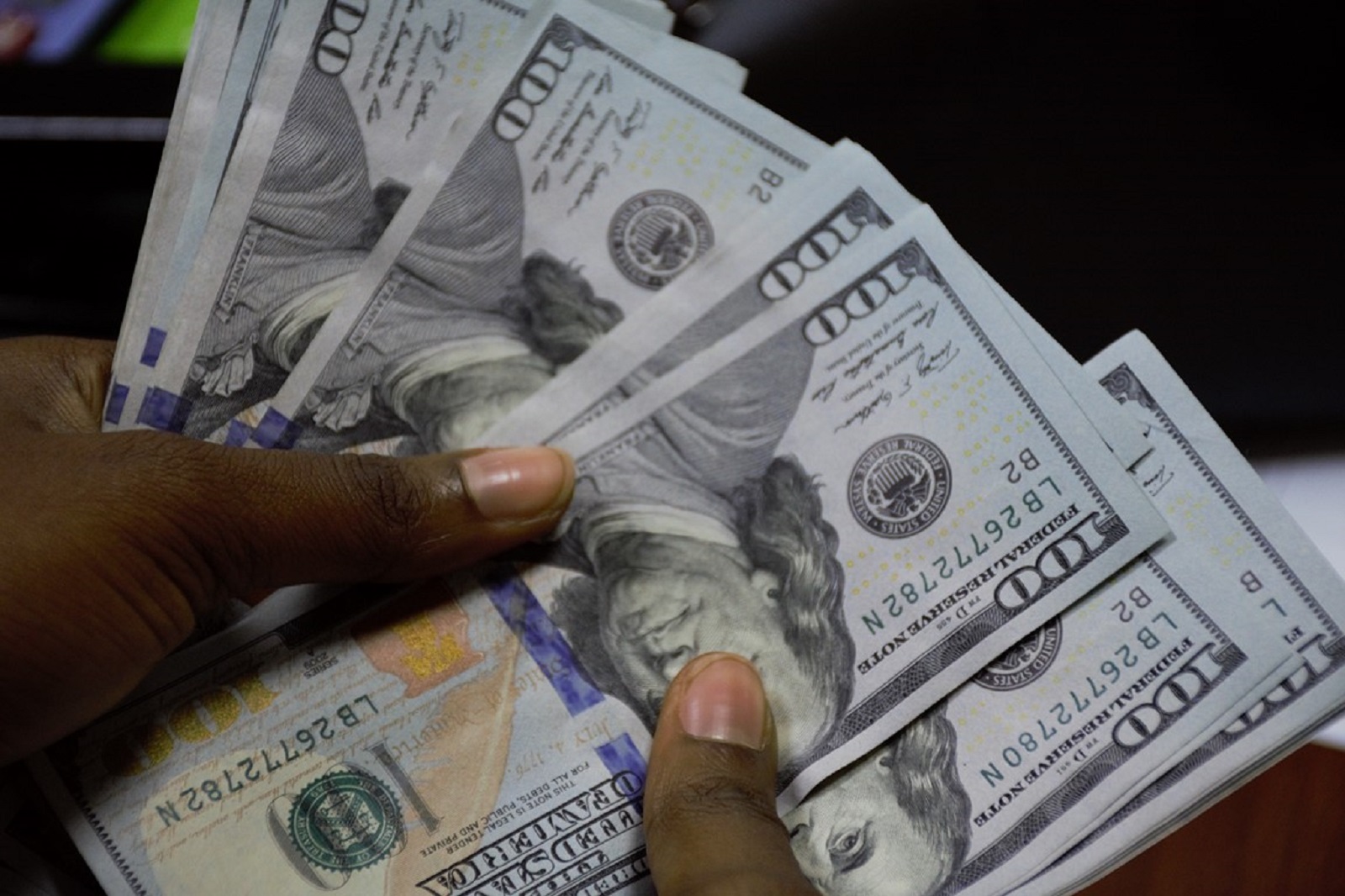
Following the announcement, the US dollar recorded its strongest rally since May, as markets reacted to expectations that Warsh would prioritise inflation control over aggressive interest rate cuts. The dollar strengthened against all major currencies, while long-dated US Treasury securities underperformed, reflecting shifting interest rate expectations.
ALSO: US Records $1.45bn Trade Surplus With Nigeria in 2025 as Exports Surge, Imports Fall
Warsh is widely regarded as an inflation hawk, signalling a tougher stance on price stability compared to more dovish policymakers. Although he has previously supported Trump-aligned rate positions, investors largely believe he would protect the independence of the Federal Reserve. This perception helped boost confidence in the dollar and reduced demand for traditional safe-haven assets, as gold and silver prices declined sharply after the announcement.
Despite the dollar’s rally, the nomination had limited immediate impact on global money markets. Traders’ expectations for two Federal Reserve rate cuts in 2026 even edged slightly higher, suggesting cautious optimism about long-term policy flexibility.
Background on Kevin Warsh
A native of Albany, New York, Warsh is a graduate of Stanford and Harvard universities. He previously worked at Morgan Stanley, rising to the position of vice president before leaving investment banking to serve as an economic adviser under President George W. Bush, focusing on financial markets, banking regulation, and capital flows.
Implications for the Nigerian Naira
Analysts in Nigeria’s financial sector are closely examining the potential implications of Warsh’s nomination for the naira. A stronger US dollar typically places pressure on frontier-market currencies, including Nigeria’s, especially if US interest rates remain higher for longer.
Sustained dollar strength could increase global borrowing costs, strain Nigeria’s foreign exchange reserves, raise import bills, and widen the gap between official and parallel market exchange rates. These factors could weigh on the naira if external conditions tighten further.
Naira Ends January on a Strong Note
Despite global uncertainties, the naira ended January on a positive footing. At the official foreign exchange market, the currency closed at N1,391 per dollar, supported by improved liquidity and a rise in Nigeria’s external reserves.
Gains were also recorded in the parallel market, where the naira appreciated from N1,490 per dollar on Thursday to N1,453 per dollar on Friday, indicating reduced volatility. During the week, Nigeria’s foreign reserves climbed to $46.18 billion.
However, analysts caution that domestic factors such as crude oil production levels, fiscal reforms, and structural economic challenges will continue to play a decisive role in shaping the naira’s trajectory, sometimes outweighing global dollar movements.