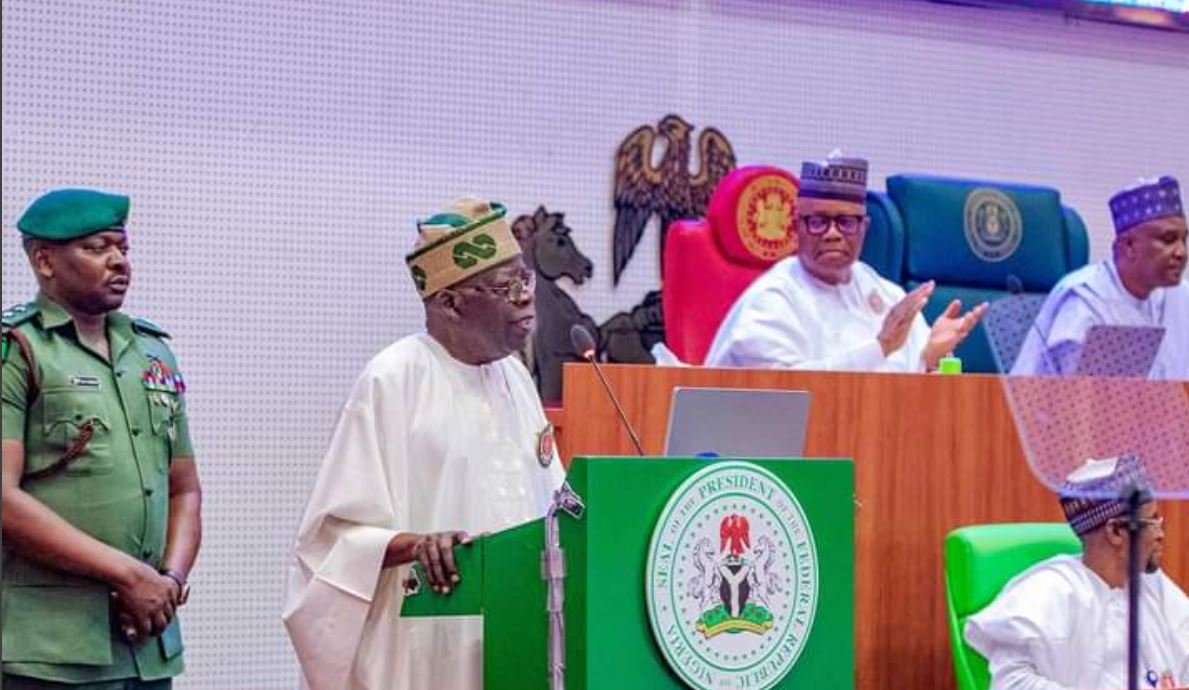
The persistent delay by Nigeria’s National Assembly in amending the electoral law is both disturbing and inexcusable. At a time when the nation should be strengthening its democratic foundations, lawmakers appear trapped in endless debates while prioritising issues far less urgent than the integrity of our elections.
Without meaningful reform of the existing electoral framework, the prospects of conducting a credible, transparent, and widely accepted 2027 general election remain bleak. Nigeria’s electoral history is littered with polls that fell short of both domestic and international standards, leaving behind questions of legitimacy and public trust. Elections are the lifeblood of democracy, and a system that repeatedly produces disputed outcomes weakens the very essence of representative governance.
ALSO: ACF Lagos Visits Afenifere Chieftain, Strengthens Peace and Youth Development Drive in Lagos
This failure also undermines Nigeria’s standing beyond its borders. How can the country credibly champion democracy in neighbouring states such as Benin Republic or sustain its self-appointed “big brother” role in West Africa when its own electoral process remains deeply flawed? Democracy cannot be defended abroad while it is compromised at home.
The unavoidable question, therefore, is: why the delay and who benefits from it? The answer is hardly complex. Certain interests thrive within the gaps and ambiguities of the current law. The slow pace of reform appears less like oversight and more like strategy, an attempt to preserve a system that rewards manipulation, not the popular will.
This trajectory must change. The National Assembly must wake up to its historic responsibility and urgently fast-track comprehensive amendments to the electoral law. Nigerians deserve a system that guarantees free choice, protects votes, and produces leaders defined by competence and integrity, not by loopholes and legal gymnastics.
Enough excuses. Enough procrastination. Citizens are weary of leadership outcomes shaped by a broken process. Electoral reform is not a luxury or a political bargaining chip, it is a national obligation. And it must be completed well before 2027.
Written by Festus Edovia, anipr, ficm